

EngineeringtheFutureofWeaving.
AAS Tech transforms loom performance through precision-engineered components and the revolutionary Frame-to-Frame system — delivering measurable gains in speed, quality, and efficiency.
Precision-Engineered for the
Future of Weaving Performance
266 years of enterprise heritage. 650+ patents. 11 generations of innovation. One mission: to redefine loom performance for the global textile industry.
Years of Legacy
Generations of Engineering
Patents Worldwide
Global Locations
Engineered Solutions for Every Layer of Your Loom
Precision-engineered components. One integrated Frame-to-Frame system. Measurable performance gains.
Core Product
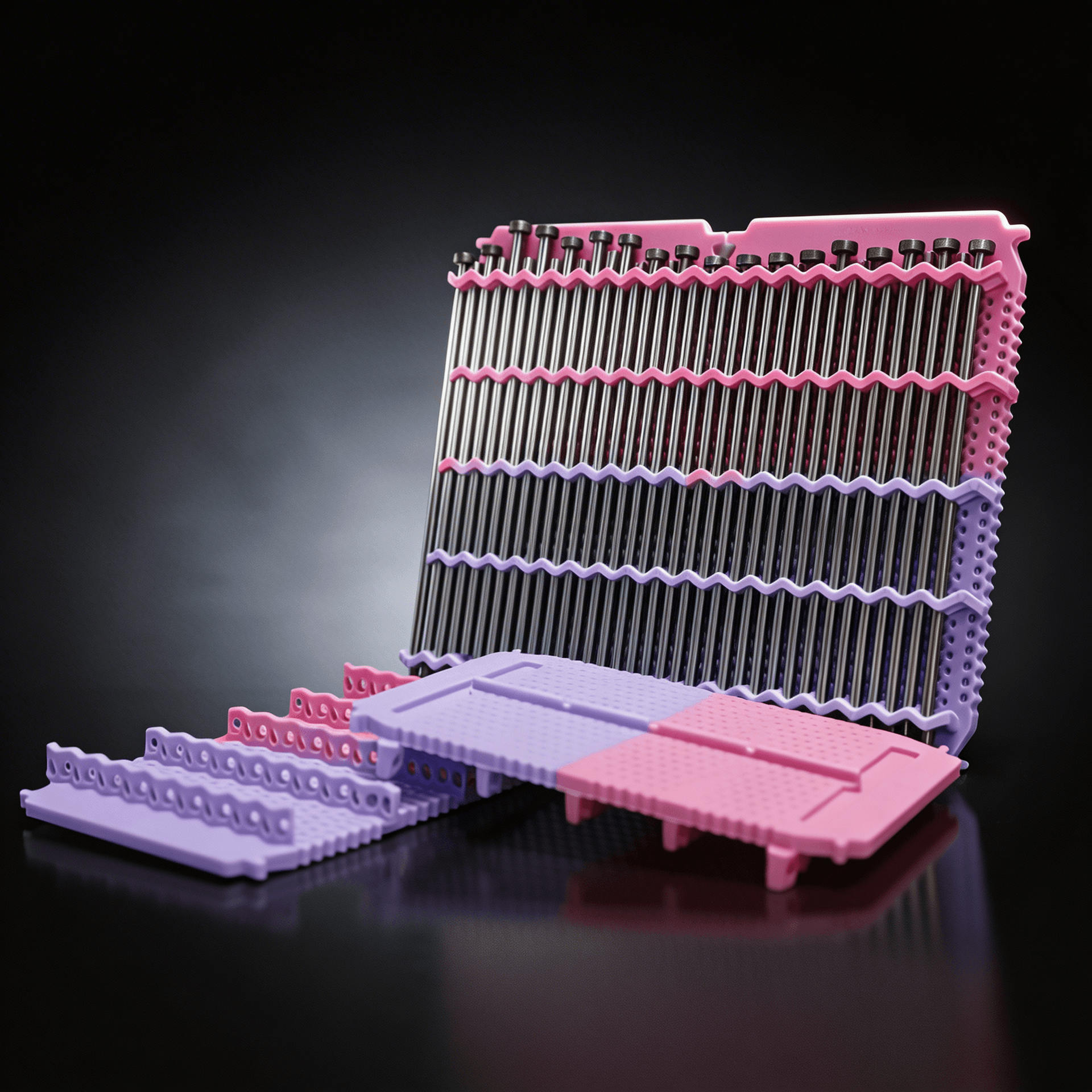
AHS — Aligned Harness Sieve
The alignment control system of the loom. Precision-engineered to maintain perfect harness cord positioning throughout every weaving cycle.
Yarn Guidance
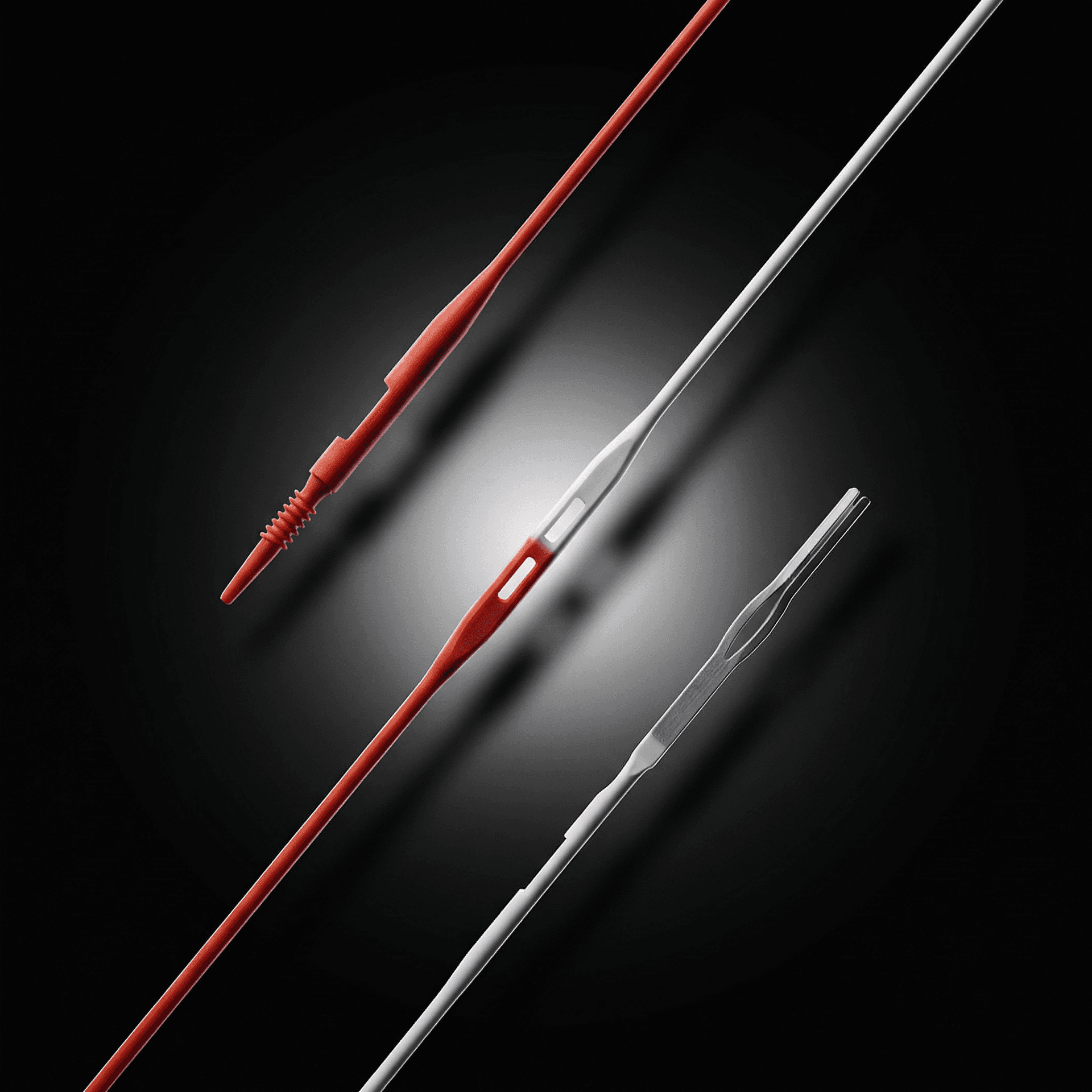
Healds
Wire and flat heald systems featuring dual-eye design and dual-material technology for superior yarn guidance at maximum operating speeds.
Cord Guidance
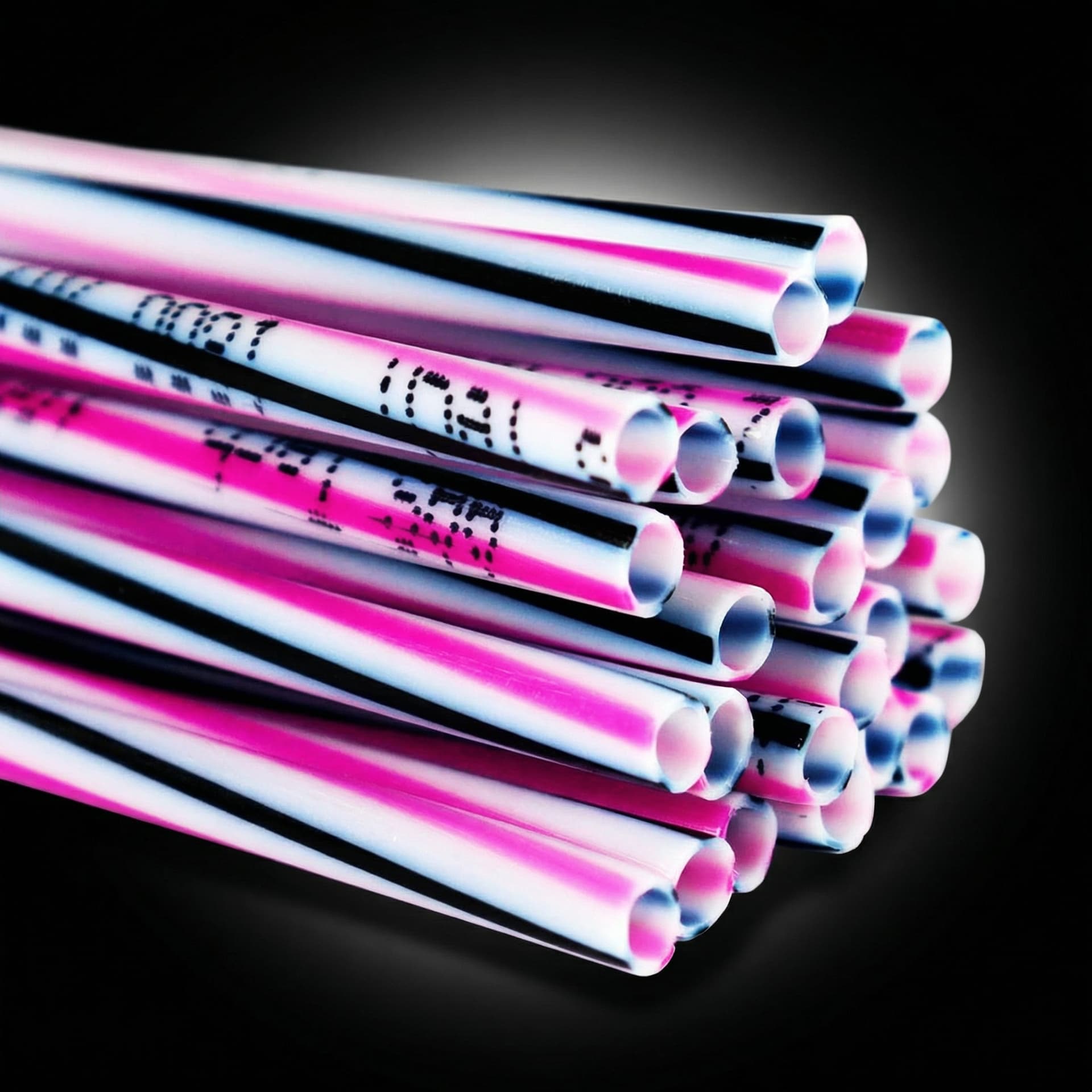
Tubes
Precision tubes engineered for low-friction harness cord guidance. Smooth passage. Stable movement. Extended cord life.
Tension Control
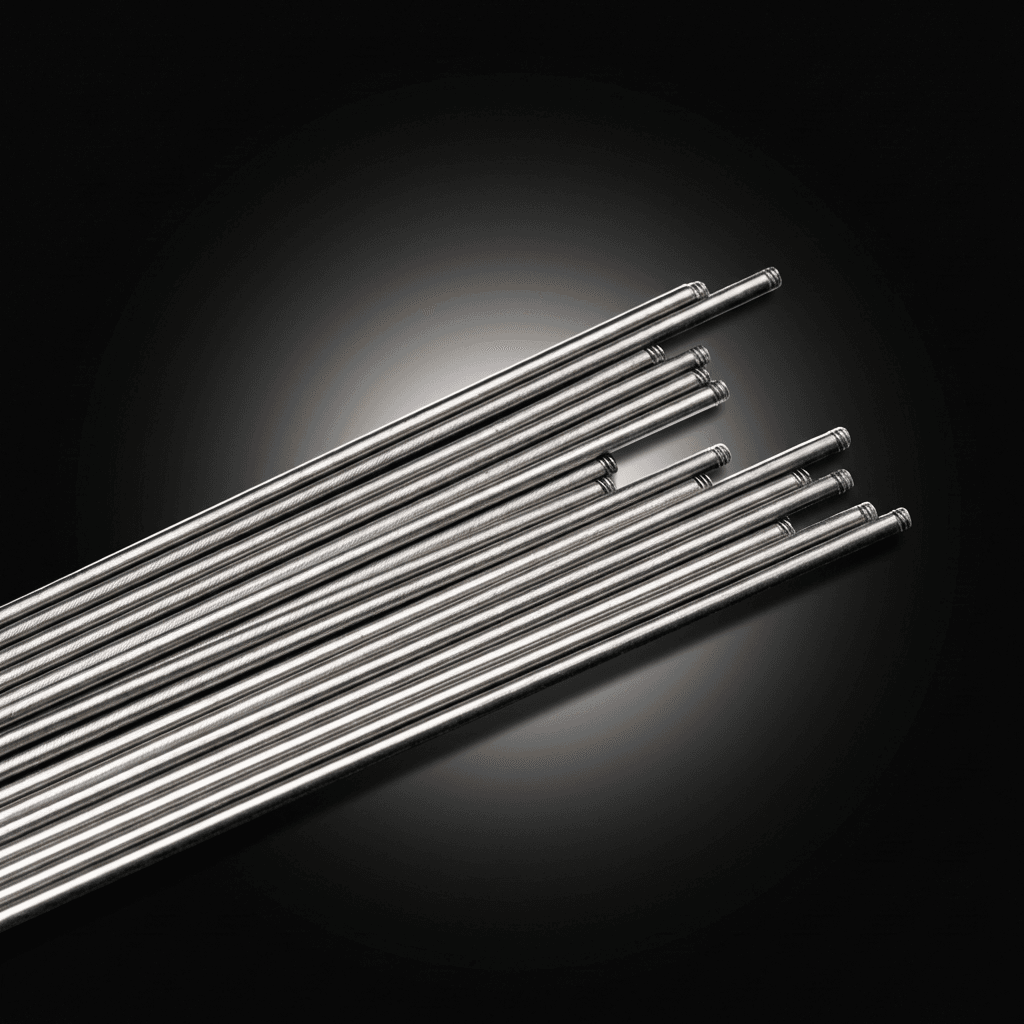
Springs
Calibrated performance springs maintaining tension balance and vibration damping across the entire harness assembly.
Fine-Tuning
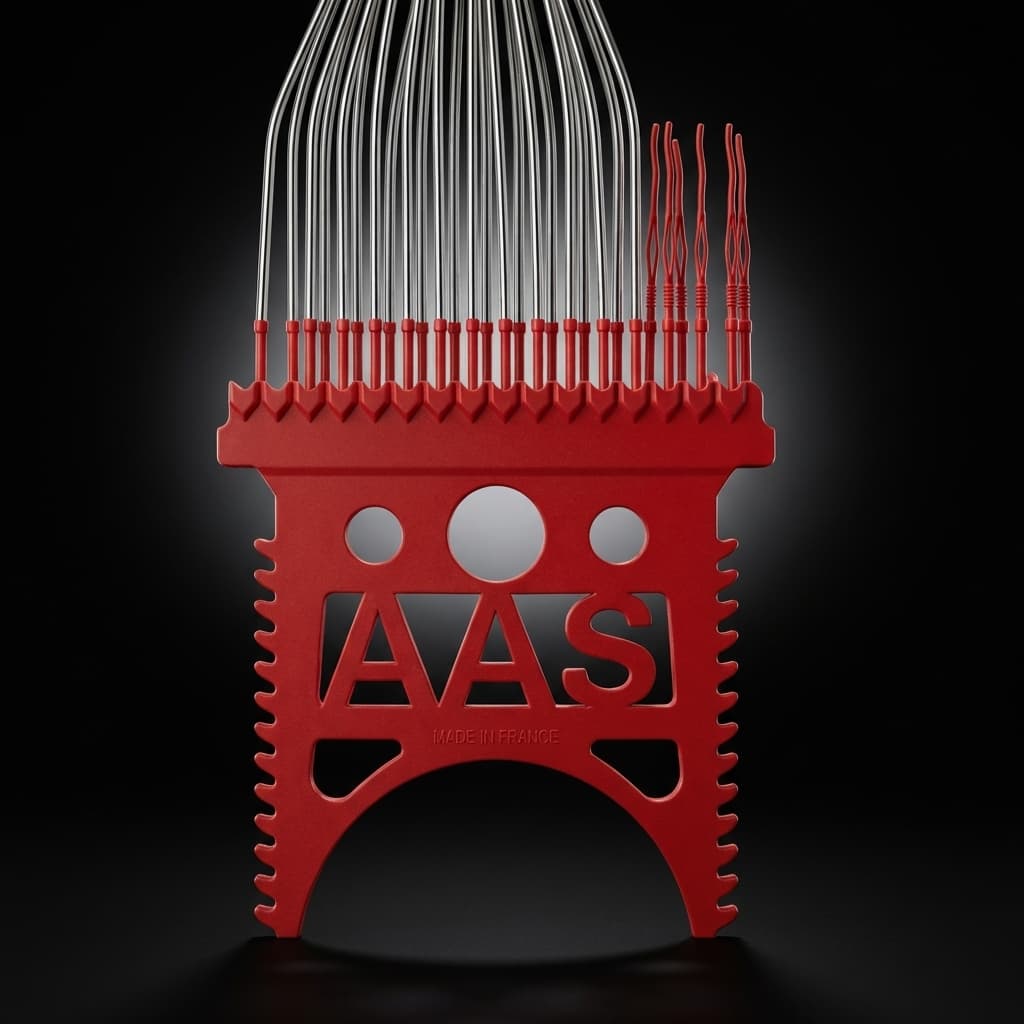
Adjustable Connectors
Fine-tuning connectors enabling precise harness geometry calibration for optimal system alignment on any loom configuration.
Foundation

Bottom Frame
Structural foundation delivering rigidity, dimensional stability, and reduced vibration across the complete harness system.
Measured Performance. Proven Results.
Based on engineering tests and real-world installations across textile mills worldwide.
Higher loom speed translates directly to increased fabric output per shift. +7% to +34% measured improvement.
More picks per minute driving higher production efficiency. +7% to +20% measured improvement.
Fewer stoppages. Fewer mechanical interventions. More productive running hours.
Smoother thread movement resulting in less waste and fewer quality defects.
Consistent tension and alignment producing superior fabric output.
Reduced vibration extending machine life and lowering maintenance costs.
The investment pays for itself through increased production output and reduced maintenance.
Backed by 266 years of engineering heritage and continuous innovation in textile technology.
From the AAS Tech Team
Latest Insights

#TECHNICAL
The Truth About Friction in Weaving and How AAS Tech Solves It
Friction is weaving's hidden adversary — silently degrading yarn, increasing downtime, and driving up costs. Here is how AAS Tech's heald engineering eliminates it at the source.

#INDUSTRY INSIGHTS
The Silent Enemy in Weaving: Friction
Friction accumulates across every loom cycle, every heald eye, every yarn interaction — quietly eroding performance before operators even notice the damage has begun.
#TECHNICAL
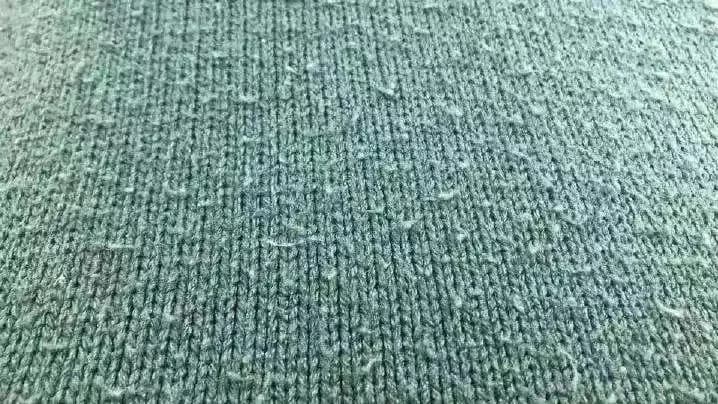
How Friction Leads to Yarn Damage and Piling
The path from heald-eye friction to finished fabric defects is shorter than most mill managers realise — and the damage happens long before a yarn break signals the problem.
#TECHNICAL
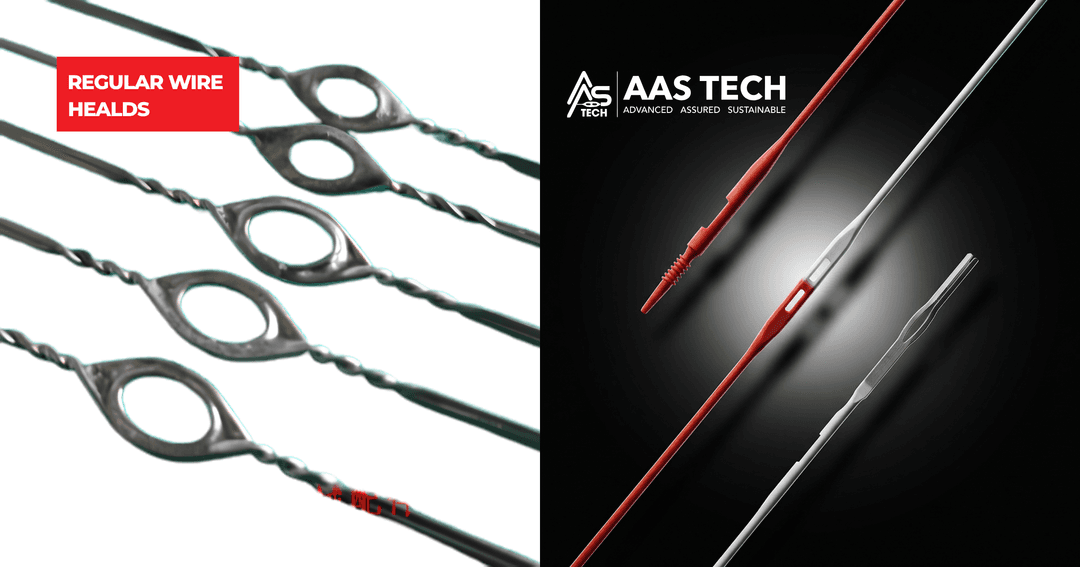
Regular Wire Healds vs. AAS Wire Healds: Eliminating Friction with Innovation
Side-by-side, the engineering differences between conventional wire healds and AAS Tech's precision-manufactured alternatives explain a consistent, measurable performance gap.
#INNOVATION
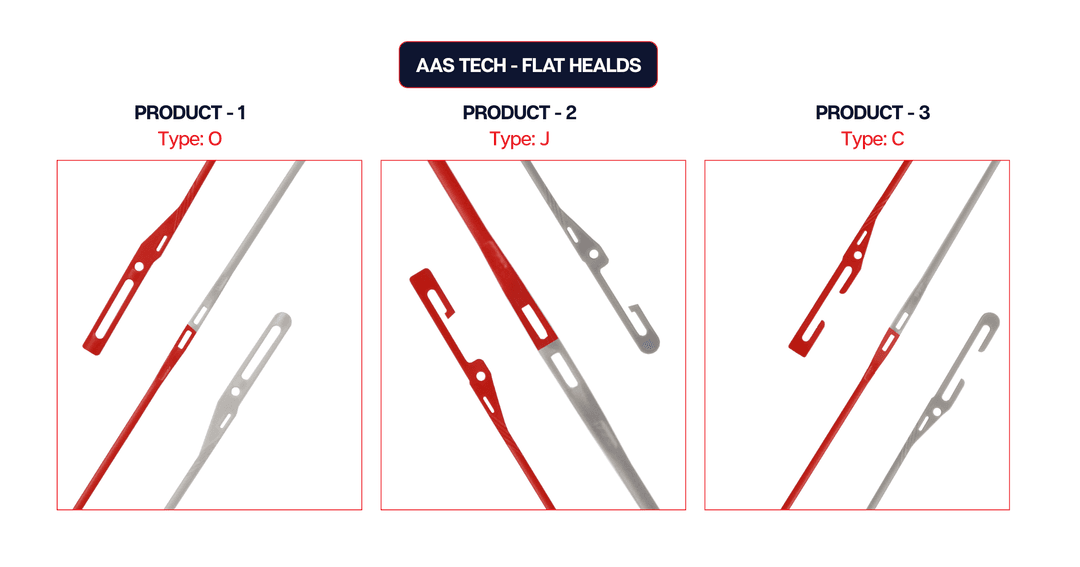
AAS Flat Heald: A Revolution in Yarn Movement
The flat heald represents a fundamental rethinking of yarn-heald interaction — replacing the point-contact friction of conventional designs with a controlled surface geometry that transforms how yarn moves through the shed.
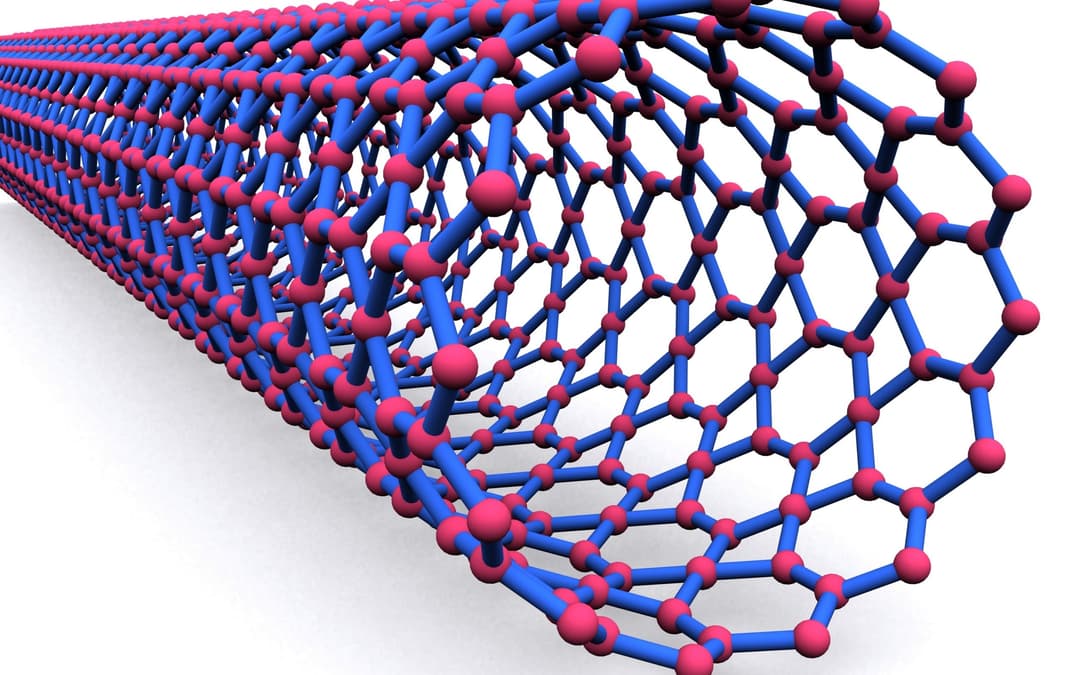
#TECHNICAL
The Dual-Material Advantage: Strength Meets Lubrication
Why single-material heald construction forces a trade-off that no mill should have to accept — and how AAS Tech's dual-material approach resolves it without compromise.
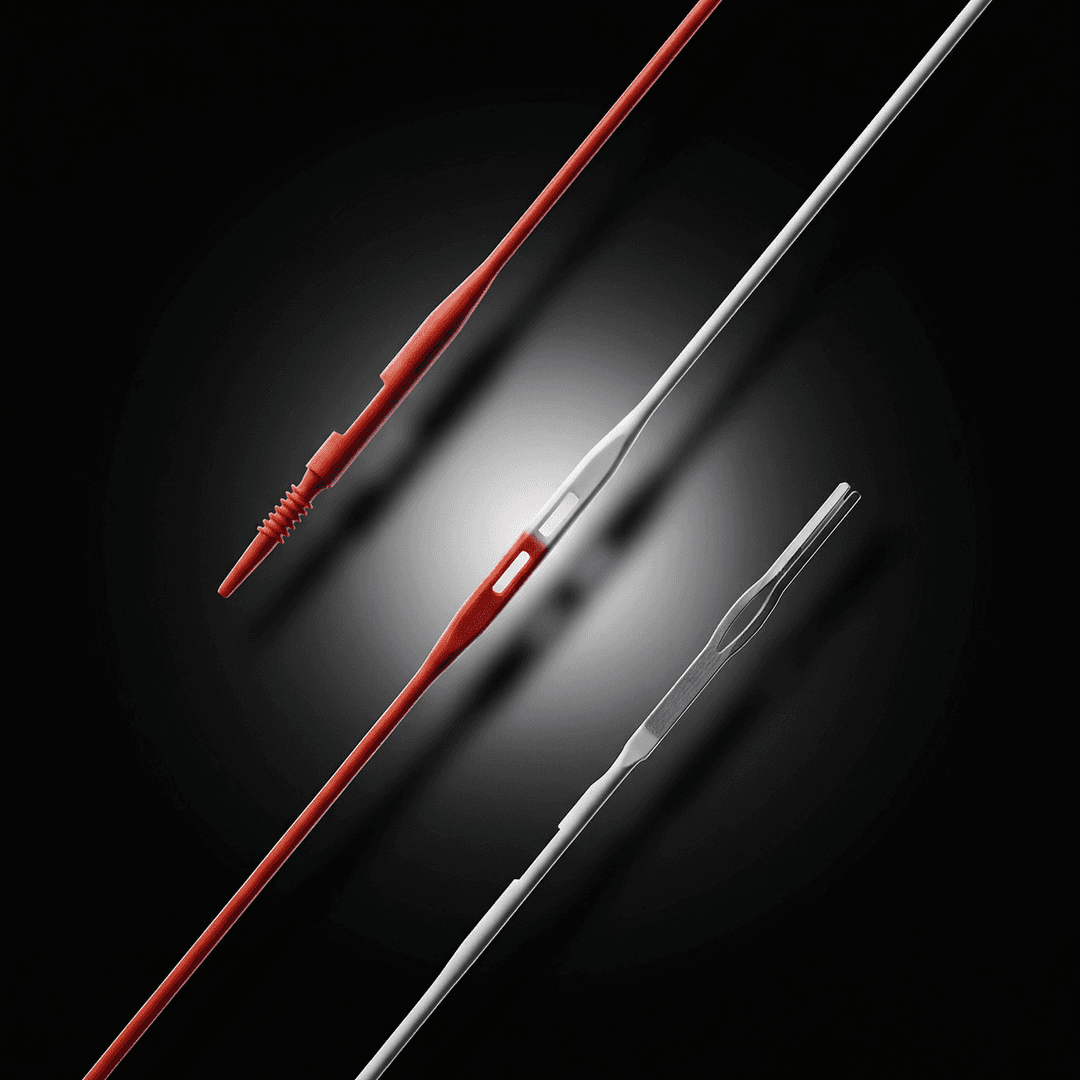
#INNOVATION
The Future of Weaving: How AAS Healds Are Changing the Textile Industry
As textile mills pursue higher speeds, better fabric quality, and lower operational costs simultaneously, the heald has become the central engineering lever — and AAS Tech is driving the transformation.
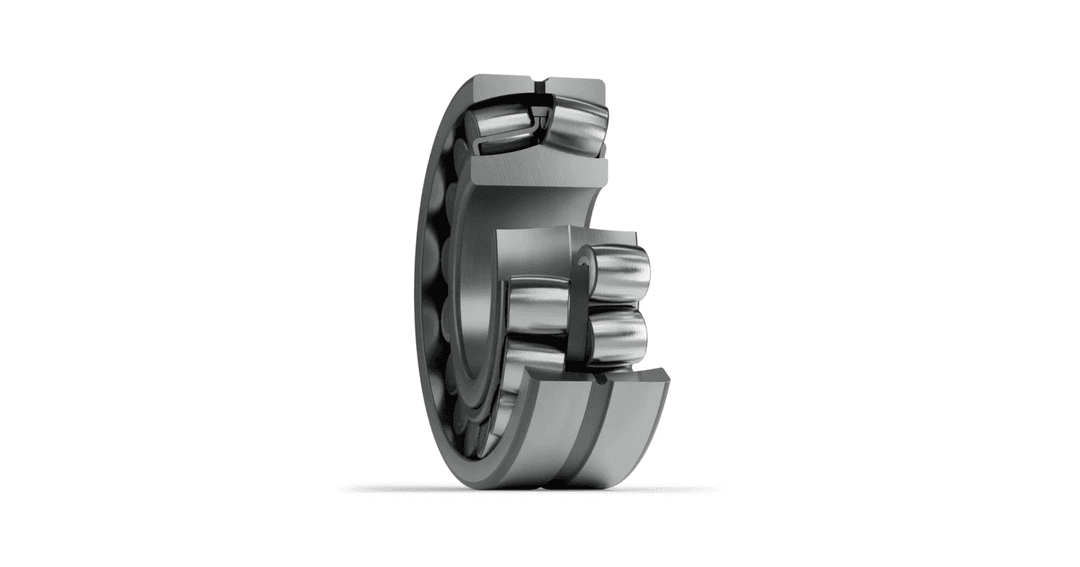
#INNOVATION
Innovation in Weaving: How AAS Tech Is Redefining Component Engineering
The most significant performance gains available to modern textile mills are not in drive systems or electronic controls — they are in the precision components that have gone unchanged for too long.
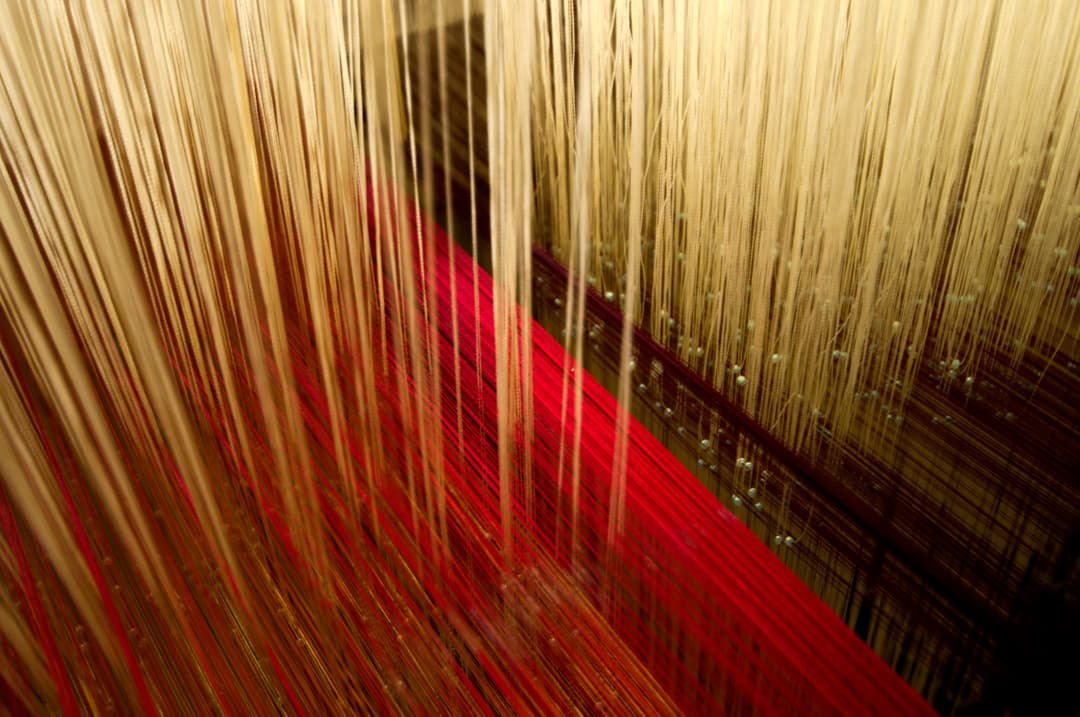
#INDUSTRY INSIGHTS
The Biggest Challenges in Traditional Weaving
High friction, frequent breakage, inefficient yarn movement, and rising maintenance costs — the structural challenges of conventional weaving are well known. What is less understood is why they persist.

#PERFORMANCE
Why AAS Healds Are the Future of Weaving
The weaving industry is evolving rapidly — and the component at the centre of its next performance step is the heald. Here is why AAS Tech's engineering programme is defining what comes next.
#TECHNICAL
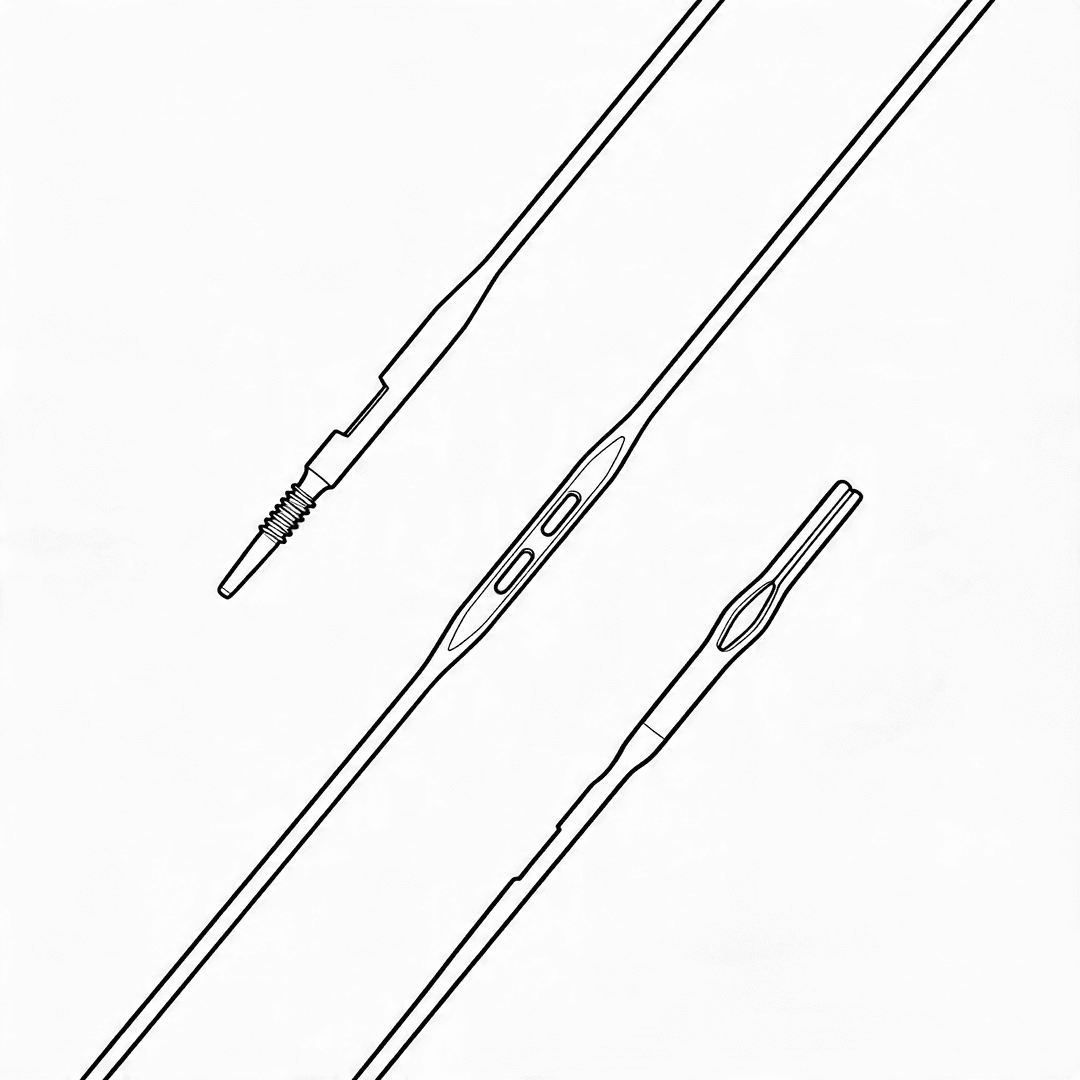
Dual Eye Technology: Precision and Longevity
AAS Tech's dual-eye heald design is a simple concept with a transformative impact — doubling service life through precision engineering while improving yarn contact consistency.

#INNOVATION
ATDT Technology: Smart Yarn Detection
Advanced Thread Detection Technology turns the heald into an active monitoring component — detecting breakouts in real time and minimising the production impact of yarn breaks before they cascade.
#COMPANY NEWS
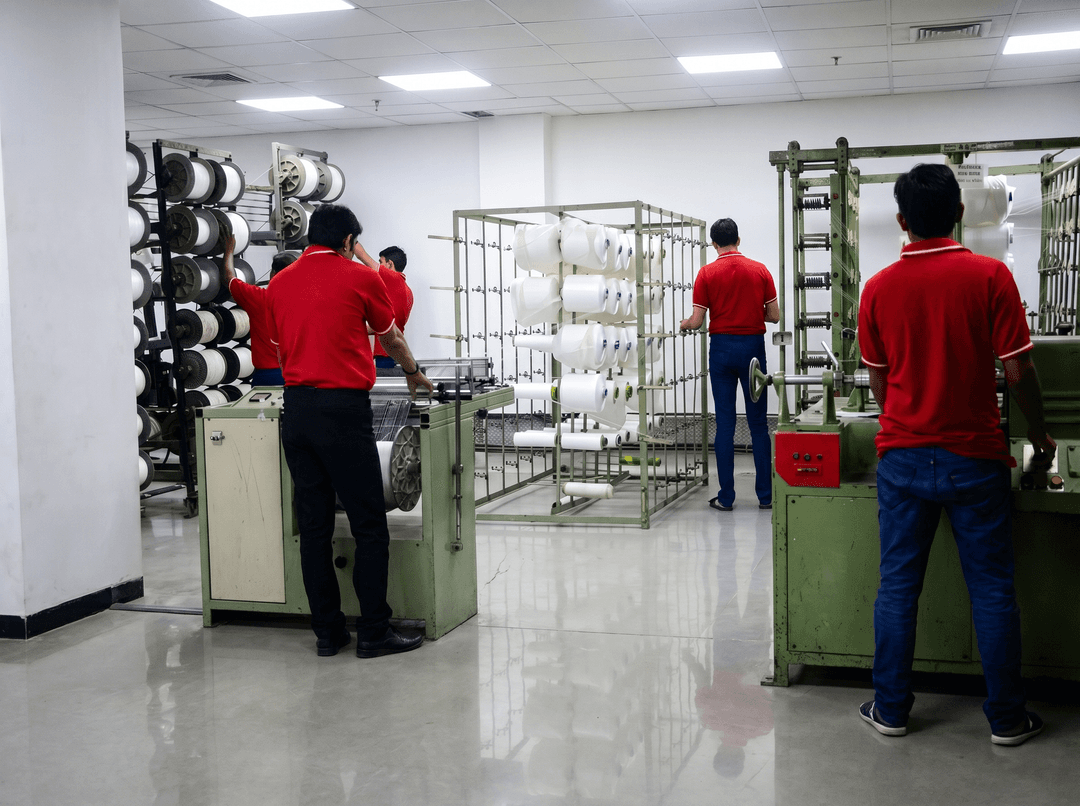
Built for Precision: Inside AAS Tech's Vertically Integrated Manufacturing Infrastructure
From thermostatically stabilised milling centres to micron-level CMM verification, AAS Tech's manufacturing infrastructure is engineered to one standard: the highest precision available in textile component manufacturing.

#INDUSTRY INSIGHTS
Building Tomorrow's Textile Engineers: STEM Pathways into Precision Manufacturing
How nurturing engineering talent from the ground up is shaping the next generation of precision manufacturing professionals — and why AAS Tech is investing in that pipeline.
#INNOVATION
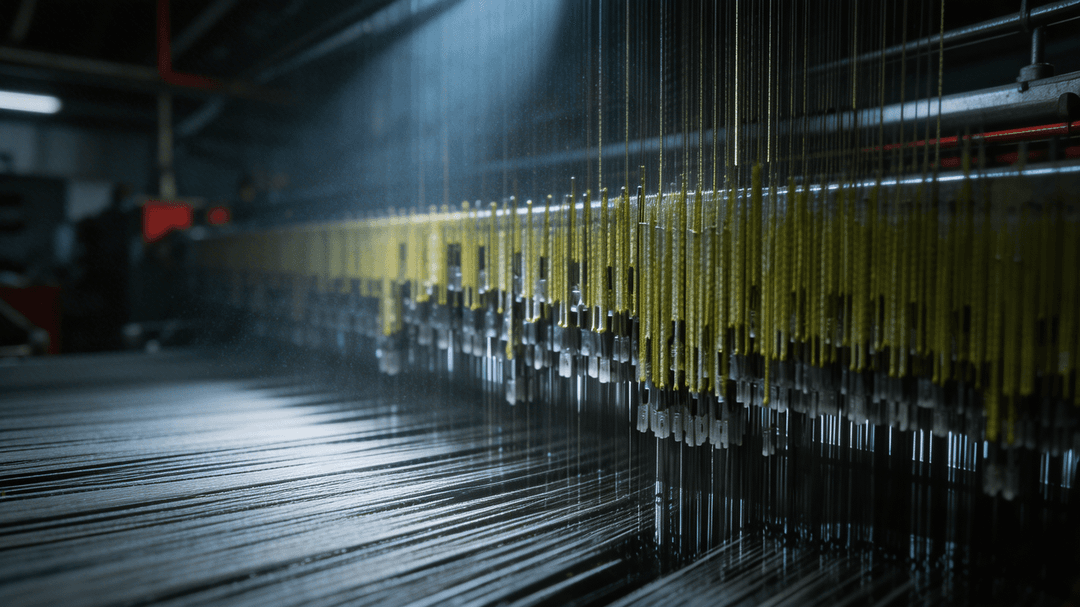
The Future of Textile Manufacturing: Precision, Sustainability, and the Performance Imperative
The mills that lead the next decade will not be those with the most machines — they will be those with the most precision. Here is what the future of textile manufacturing looks like.

#INDUSTRY INSIGHTS
Engineering Sustainability: The Textile Industry's Responsibility and Opportunity
Sustainability is no longer a peripheral consideration in industrial engineering — it is a core design requirement. For textile manufacturers, the opportunity is significant and the path forward starts with precision.
#TECHNICAL
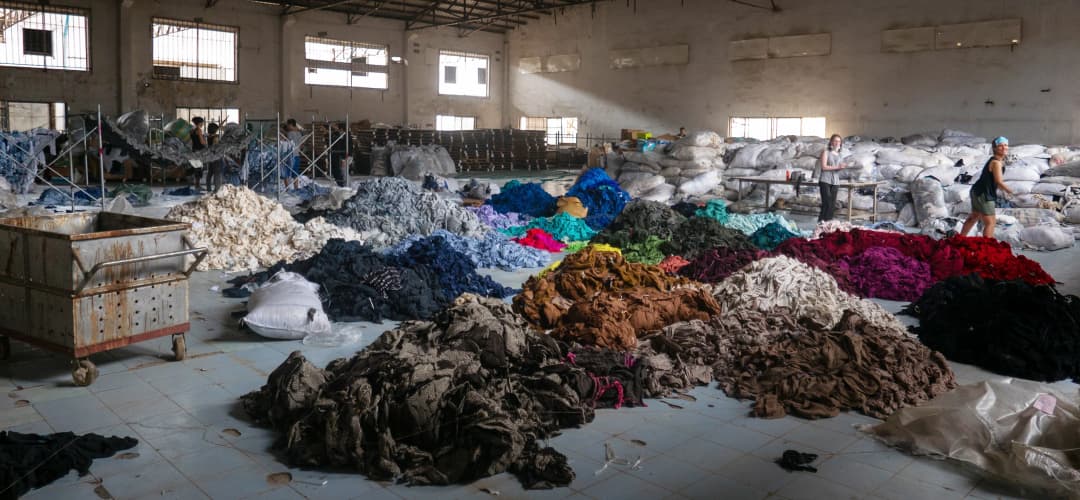
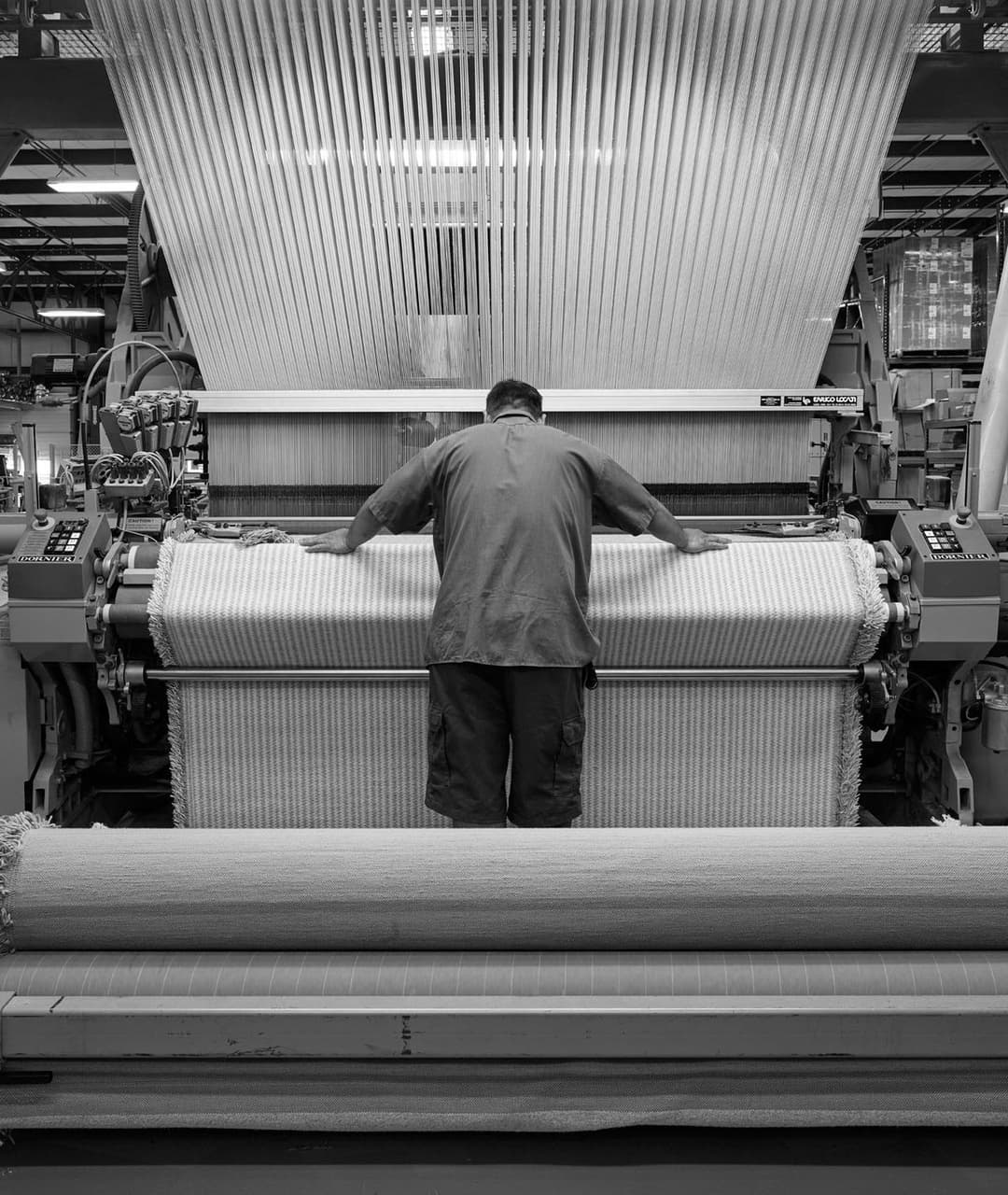
Cutting Waste at the Source: How Precision Components Reduce Material Loss in Weaving
Waste in weaving is not random — it has identifiable mechanical causes. Addressing those causes at the component level is the most direct path to measurable waste reduction.
#PERFORMANCE
Energy Efficiency in the Weaving Hall: The Mechanical Path to Lower Consumption
The energy consumed per metre woven is a direct function of loom efficiency. Improving that efficiency through precision engineering is the most direct path to measurable energy savings.

#PERFORMANCE
The Business Case for Sustainable Manufacturing: A Cost-Benefit Framework for Mill Operators
Sustainability investments are often framed as a trade-off against financial performance. In textile manufacturing, the data shows the opposite: the most sustainable operations are also the most profitable.

#INDUSTRY INSIGHTS
Navigating the Green Shift: Regulatory Trends Every Textile Mill Must Understand
Environmental regulations affecting textile manufacturing are tightening globally. Mills that position precision performance as their sustainability strategy will be best placed to comply — and to benefit.
#INNOVATION
Green Manufacturing by 2030: The Future of Sustainable Textile Production
The textile mills of 2030 will be defined not by the machines they operate but by the precision and efficiency with which they operate them. Here is what the path to green manufacturing looks like.

#PERFORMANCE
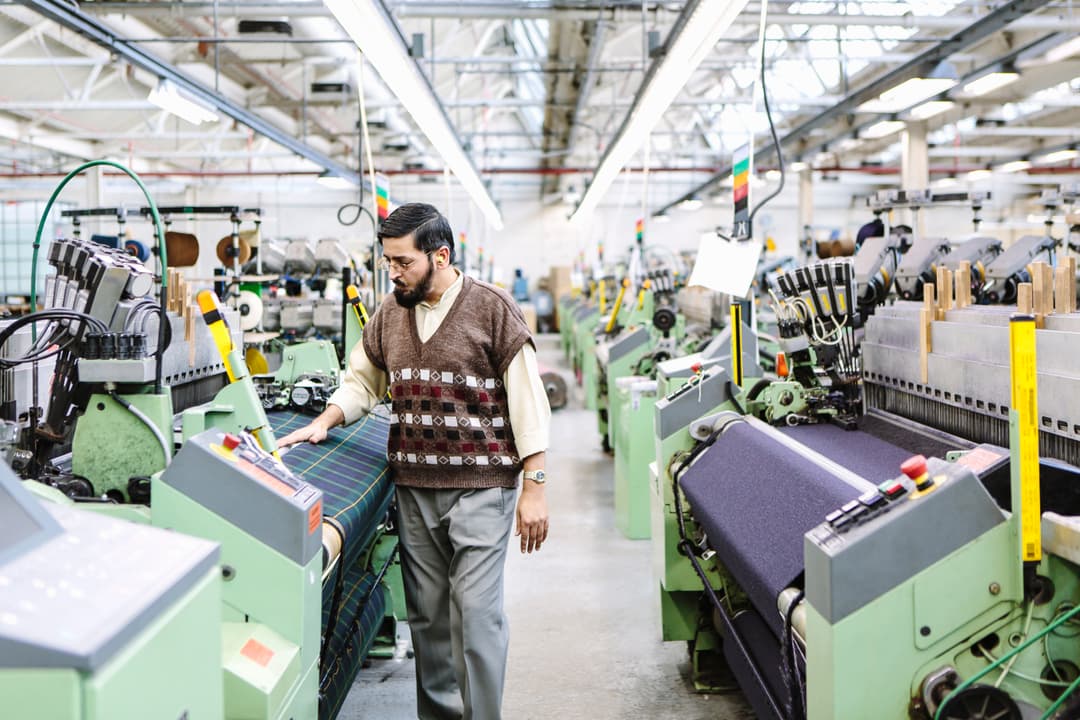
Maximizing Loom RPM: The Role of Precision Component Alignment
How proper harness cord alignment through AHS technology can unlock significant RPM gains without replacing your existing machinery.
#TECHNICAL
The Frame-to-Frame Revolution: A Complete System Approach
Why individual component upgrades fall short, and how AAS Tech's integrated system delivers measurable, sustainable performance gains.
.jpg&w=1080&q=75&dpl=dpl_cAgH975Sj1bjPJzQandgpxGpEo5u)
#INDUSTRY INSIGHTS
Smart Textile Manufacturing: What 2026 Holds for the Industry
From AI-driven quality control to precision-engineered components, the textile industry is undergoing its most significant transformation in decades.
#PERFORMANCE
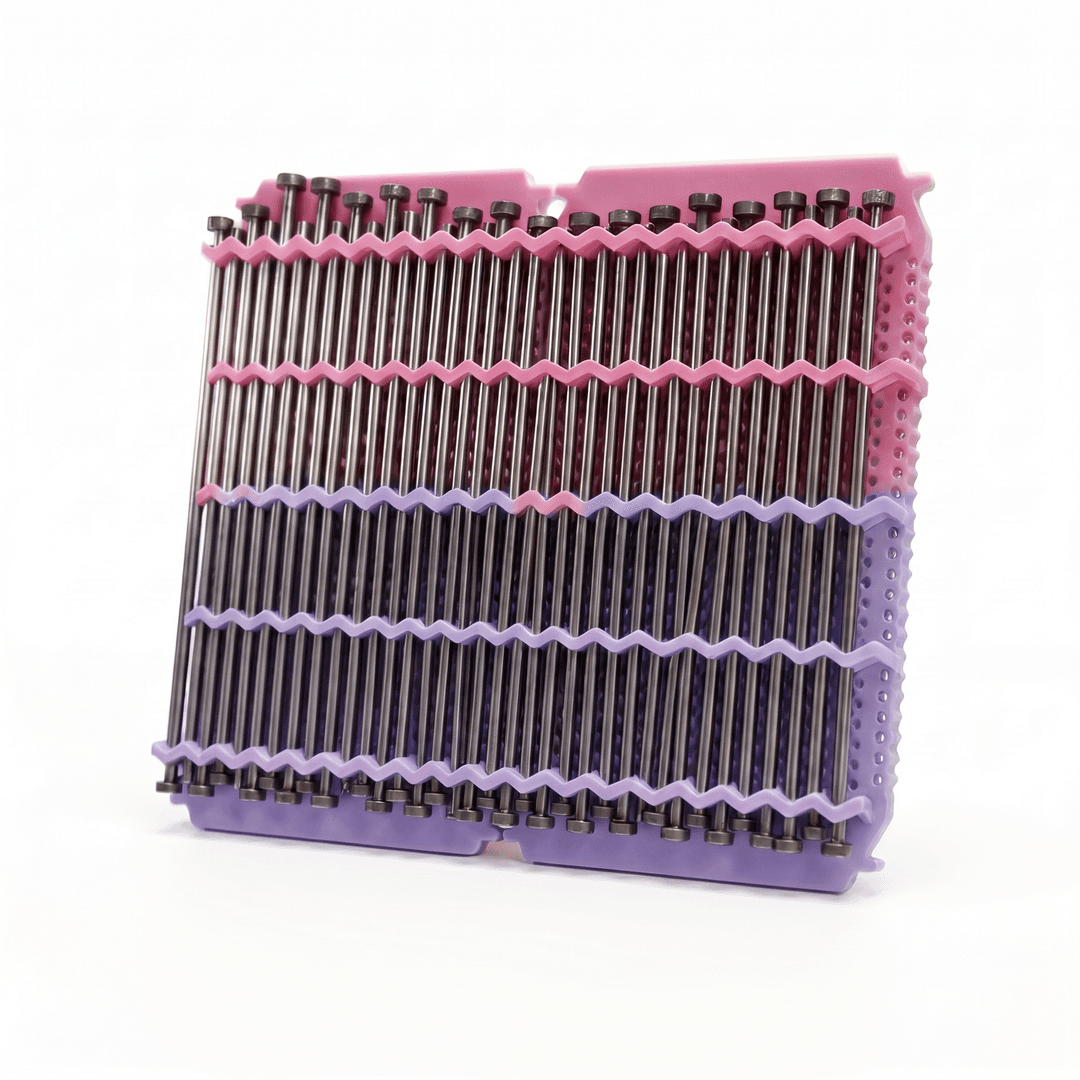
AHS vs. Traditional Harness Systems: A Performance Comparison
Head-to-head data comparing AAS Tech's Automatic Harness System against conventional setups across RPM, downtime, and fabric quality metrics.
#TECHNICAL
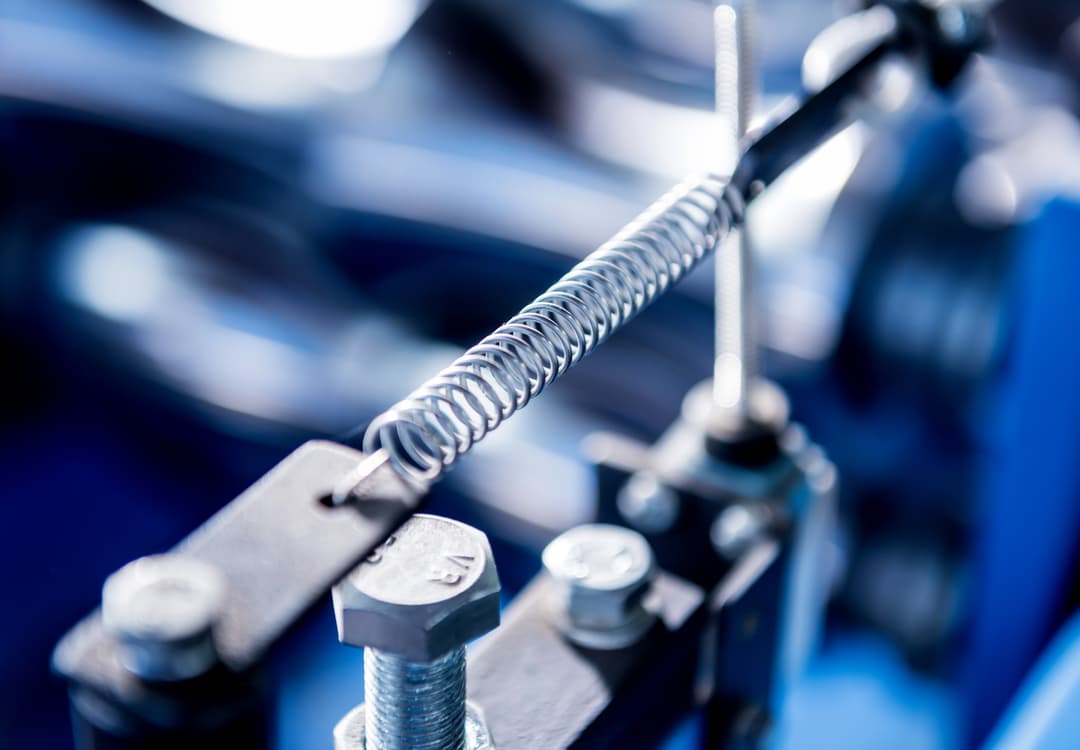
Spring Tension Optimization: The Hidden Performance Variable
How micro-adjustments in spring assembly tension can unlock measurable improvements in loom stability and fabric consistency.

#INNOVATION
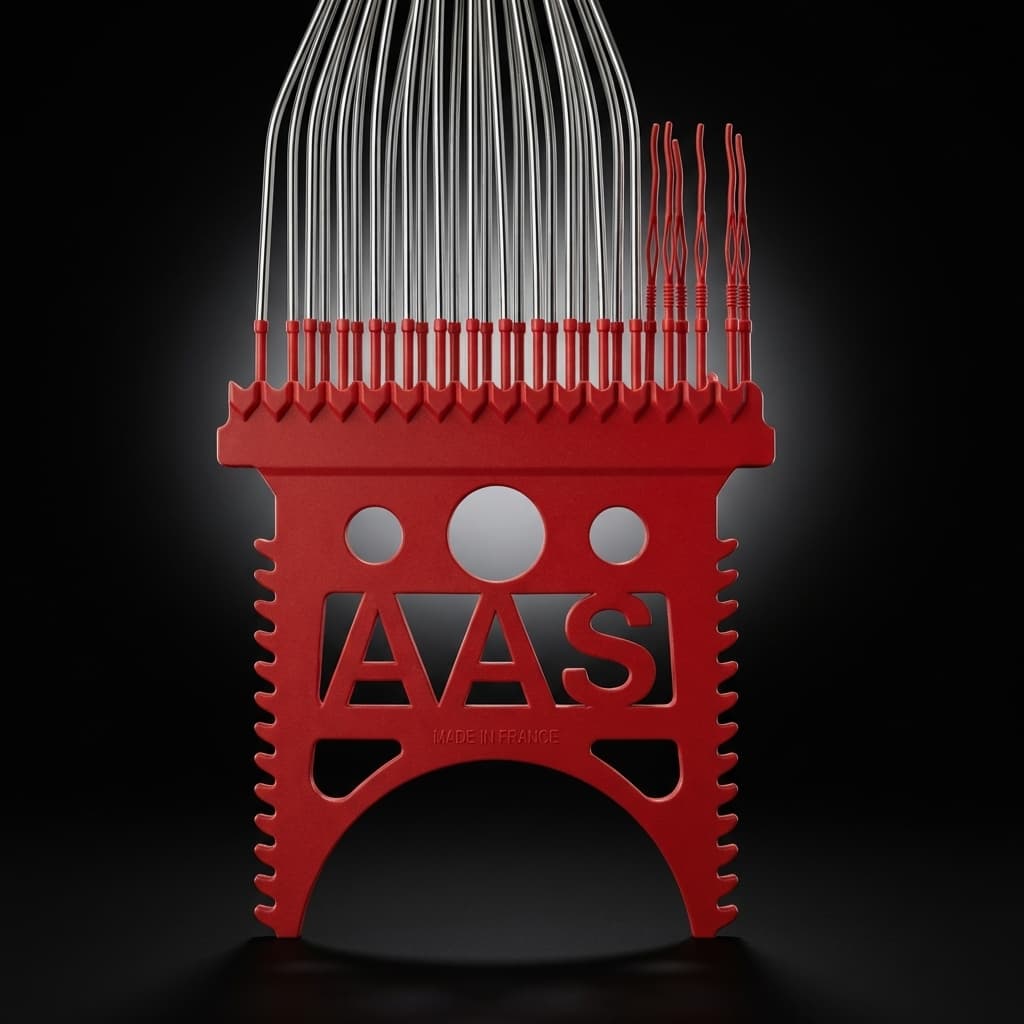
650+ Patents: Inside AAS Tech's Innovation Engine
A look behind the curtain at the R&D processes and patent strategy that keep AAS Tech at the frontier of textile engineering.
#TECHNICAL
Adjustable Connectors: Fine-Tuning Your Loom for Peak Performance
A technical guide to proper connector adjustment techniques that maximize the benefits of the Frame-to-Frame system.

#PERFORMANCE
Calculating the ROI of Loom Component Upgrades
A practical framework for mill owners to evaluate the financial return on precision component investment versus new machine purchases.

#INDUSTRY INSIGHTS
Global Textile Industry Trends: Q4 2025 Review
Key market shifts, emerging manufacturing hubs, and technology adoption patterns shaping the global textile landscape.
#TECHNICAL
The Truth About Friction in Weaving and How AAS Tech Solves It
Friction is weaving's hidden adversary — silently degrading yarn, increasing downtime, and driving up costs. Here is how AAS Tech's heald engineering eliminates it at the source.
#INDUSTRY INSIGHTS
The Silent Enemy in Weaving: Friction
Friction accumulates across every loom cycle, every heald eye, every yarn interaction — quietly eroding performance before operators even notice the damage has begun.
#TECHNICAL
How Friction Leads to Yarn Damage and Piling
The path from heald-eye friction to finished fabric defects is shorter than most mill managers realise — and the damage happens long before a yarn break signals the problem.
#TECHNICAL
Regular Wire Healds vs. AAS Wire Healds: Eliminating Friction with Innovation
Side-by-side, the engineering differences between conventional wire healds and AAS Tech's precision-manufactured alternatives explain a consistent, measurable performance gap.
#INNOVATION
AAS Flat Heald: A Revolution in Yarn Movement
The flat heald represents a fundamental rethinking of yarn-heald interaction — replacing the point-contact friction of conventional designs with a controlled surface geometry that transforms how yarn moves through the shed.
#TECHNICAL
The Dual-Material Advantage: Strength Meets Lubrication
Why single-material heald construction forces a trade-off that no mill should have to accept — and how AAS Tech's dual-material approach resolves it without compromise.
#INNOVATION
The Future of Weaving: How AAS Healds Are Changing the Textile Industry
As textile mills pursue higher speeds, better fabric quality, and lower operational costs simultaneously, the heald has become the central engineering lever — and AAS Tech is driving the transformation.
#INNOVATION
Innovation in Weaving: How AAS Tech Is Redefining Component Engineering
The most significant performance gains available to modern textile mills are not in drive systems or electronic controls — they are in the precision components that have gone unchanged for too long.
#INDUSTRY INSIGHTS
The Biggest Challenges in Traditional Weaving
High friction, frequent breakage, inefficient yarn movement, and rising maintenance costs — the structural challenges of conventional weaving are well known. What is less understood is why they persist.
#PERFORMANCE
Why AAS Healds Are the Future of Weaving
The weaving industry is evolving rapidly — and the component at the centre of its next performance step is the heald. Here is why AAS Tech's engineering programme is defining what comes next.
#TECHNICAL
Dual Eye Technology: Precision and Longevity
AAS Tech's dual-eye heald design is a simple concept with a transformative impact — doubling service life through precision engineering while improving yarn contact consistency.
#INNOVATION
ATDT Technology: Smart Yarn Detection
Advanced Thread Detection Technology turns the heald into an active monitoring component — detecting breakouts in real time and minimising the production impact of yarn breaks before they cascade.
#COMPANY NEWS
Built for Precision: Inside AAS Tech's Vertically Integrated Manufacturing Infrastructure
From thermostatically stabilised milling centres to micron-level CMM verification, AAS Tech's manufacturing infrastructure is engineered to one standard: the highest precision available in textile component manufacturing.
#INDUSTRY INSIGHTS
Building Tomorrow's Textile Engineers: STEM Pathways into Precision Manufacturing
How nurturing engineering talent from the ground up is shaping the next generation of precision manufacturing professionals — and why AAS Tech is investing in that pipeline.
#INNOVATION
The Future of Textile Manufacturing: Precision, Sustainability, and the Performance Imperative
The mills that lead the next decade will not be those with the most machines — they will be those with the most precision. Here is what the future of textile manufacturing looks like.
#INDUSTRY INSIGHTS
Engineering Sustainability: The Textile Industry's Responsibility and Opportunity
Sustainability is no longer a peripheral consideration in industrial engineering — it is a core design requirement. For textile manufacturers, the opportunity is significant and the path forward starts with precision.
#TECHNICAL
Cutting Waste at the Source: How Precision Components Reduce Material Loss in Weaving
Waste in weaving is not random — it has identifiable mechanical causes. Addressing those causes at the component level is the most direct path to measurable waste reduction.
#PERFORMANCE
Energy Efficiency in the Weaving Hall: The Mechanical Path to Lower Consumption
The energy consumed per metre woven is a direct function of loom efficiency. Improving that efficiency through precision engineering is the most direct path to measurable energy savings.
#PERFORMANCE
The Business Case for Sustainable Manufacturing: A Cost-Benefit Framework for Mill Operators
Sustainability investments are often framed as a trade-off against financial performance. In textile manufacturing, the data shows the opposite: the most sustainable operations are also the most profitable.
#INDUSTRY INSIGHTS
Navigating the Green Shift: Regulatory Trends Every Textile Mill Must Understand
Environmental regulations affecting textile manufacturing are tightening globally. Mills that position precision performance as their sustainability strategy will be best placed to comply — and to benefit.
#INNOVATION
Green Manufacturing by 2030: The Future of Sustainable Textile Production
The textile mills of 2030 will be defined not by the machines they operate but by the precision and efficiency with which they operate them. Here is what the path to green manufacturing looks like.
#PERFORMANCE
Maximizing Loom RPM: The Role of Precision Component Alignment
How proper harness cord alignment through AHS technology can unlock significant RPM gains without replacing your existing machinery.
#TECHNICAL
The Frame-to-Frame Revolution: A Complete System Approach
Why individual component upgrades fall short, and how AAS Tech's integrated system delivers measurable, sustainable performance gains.
#INDUSTRY INSIGHTS
Smart Textile Manufacturing: What 2026 Holds for the Industry
From AI-driven quality control to precision-engineered components, the textile industry is undergoing its most significant transformation in decades.
#PERFORMANCE
AHS vs. Traditional Harness Systems: A Performance Comparison
Head-to-head data comparing AAS Tech's Automatic Harness System against conventional setups across RPM, downtime, and fabric quality metrics.
#TECHNICAL
Spring Tension Optimization: The Hidden Performance Variable
How micro-adjustments in spring assembly tension can unlock measurable improvements in loom stability and fabric consistency.
#INNOVATION
650+ Patents: Inside AAS Tech's Innovation Engine
A look behind the curtain at the R&D processes and patent strategy that keep AAS Tech at the frontier of textile engineering.
#TECHNICAL
Adjustable Connectors: Fine-Tuning Your Loom for Peak Performance
A technical guide to proper connector adjustment techniques that maximize the benefits of the Frame-to-Frame system.
#PERFORMANCE
Calculating the ROI of Loom Component Upgrades
A practical framework for mill owners to evaluate the financial return on precision component investment versus new machine purchases.
#INDUSTRY INSIGHTS
Global Textile Industry Trends: Q4 2025 Review
Key market shifts, emerging manufacturing hubs, and technology adoption patterns shaping the global textile landscape.
Engineering Presence Across 7 Countries
From Swiss R&D labs to manufacturing floors in India, AAS Tech delivers precision-engineered performance solutions through a global network spanning three continents.
Request a Performance AssessmentReady to Transform Your Loom Performance?
Our performance assessment is free, takes one conversation, and could redefine your production output. Let's start.
Schedule a Performance Assessment