
The Future of Textile Manufacturing: Precision, Sustainability, and the Performance Imperative
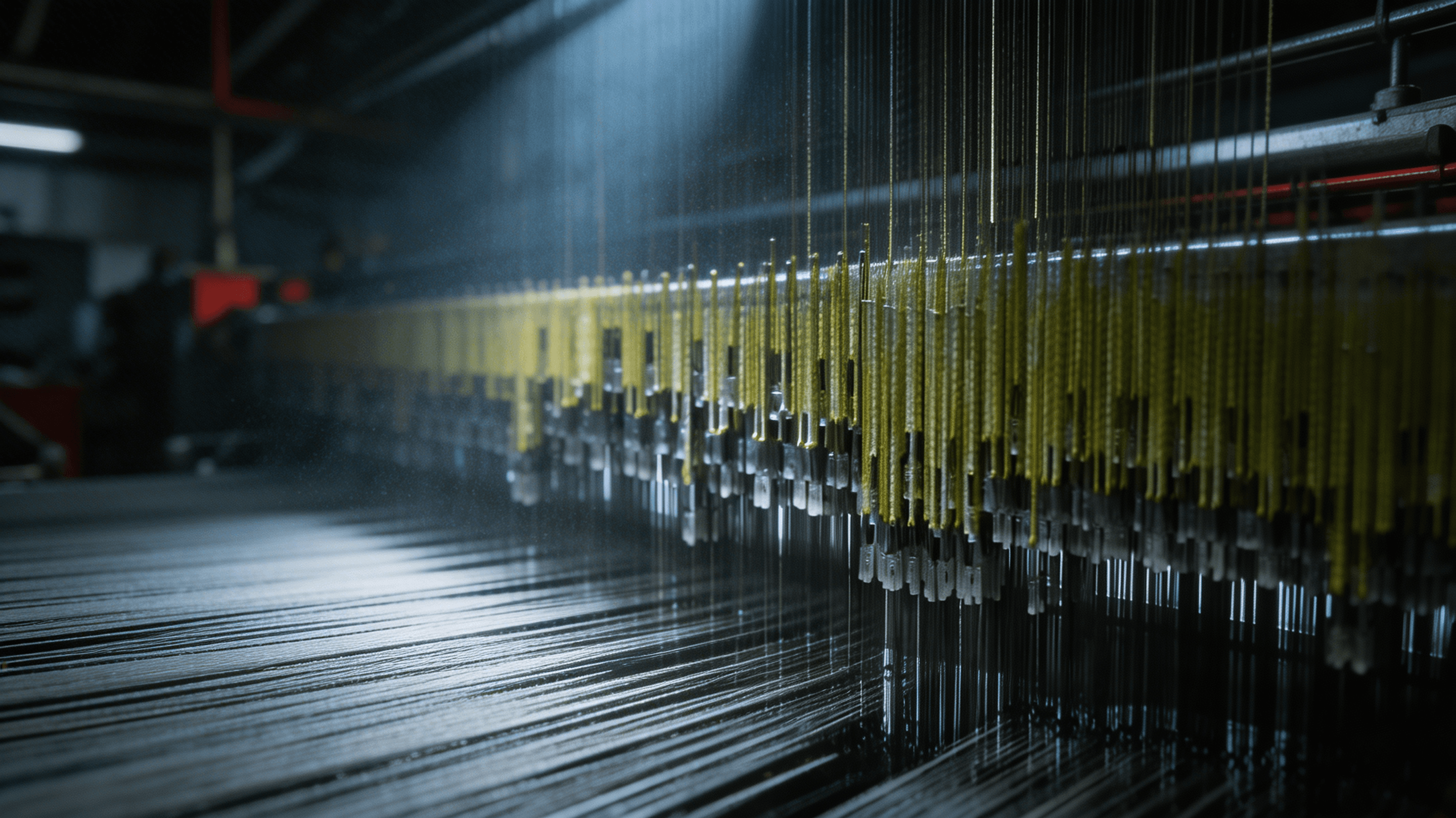
The textile manufacturing industry is at a threshold. For most of the past century, progress was defined by machine speed — faster looms, wider widths, higher picks per minute. The next phase of progress will be defined differently: by the precision, consistency, and intelligence embedded in the components that drive those machines.
From Speed to System Performance
The era of raw speed gains is largely over. Modern rapier and airjet looms are already running at or near the mechanical limits set by yarn and fabric requirements. The measurable performance headroom that remains — and it is significant — lies in the harness system that translates loom motion into shed formation. Reducing component mismatch, minimising friction, and eliminating alignment variability are the levers that unlock the next 10–30% of output from existing machinery.
Precision as a Sustainability Strategy
Sustainability in textile manufacturing is increasingly non-negotiable. Regulatory pressure, buyer requirements, and investor scrutiny are all converging on the same demand: produce more with less. Precision-engineered components directly address this challenge in ways that process changes alone cannot. When yarn breakage falls by 30–40%, less raw material is wasted per metre woven. When unplanned downtime is reduced by 40–55%, less energy is consumed on loom restarts. When component service life doubles, the manufacturing and logistics footprint of replacement parts is cut in half.
“Precision is not a quality attribute — it is a sustainability strategy. The most efficient loom is the one running at its mechanical optimum with the fewest stops.”
— AAS Tech Engineering Team
The Shift to System-Level Thinking
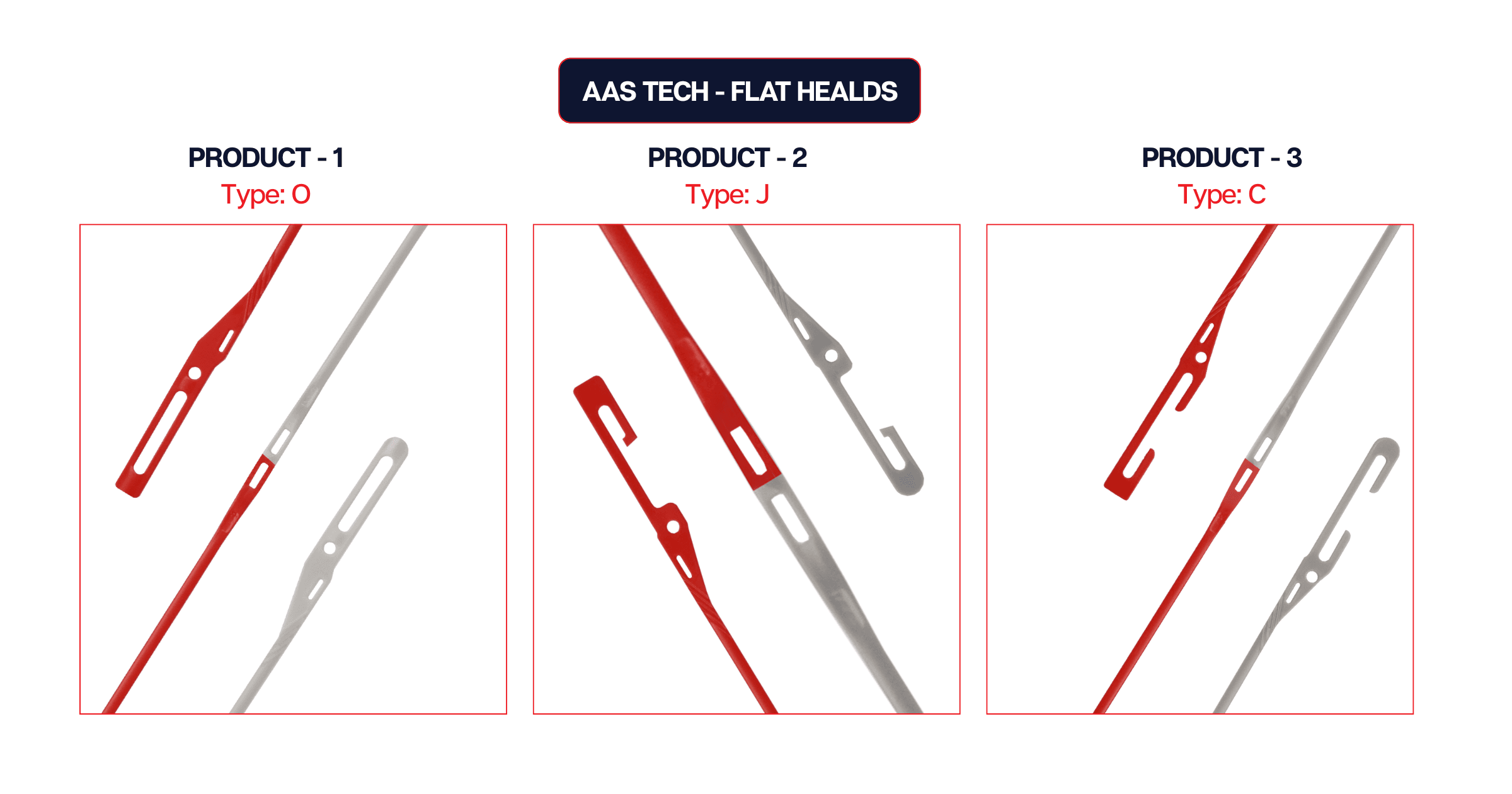
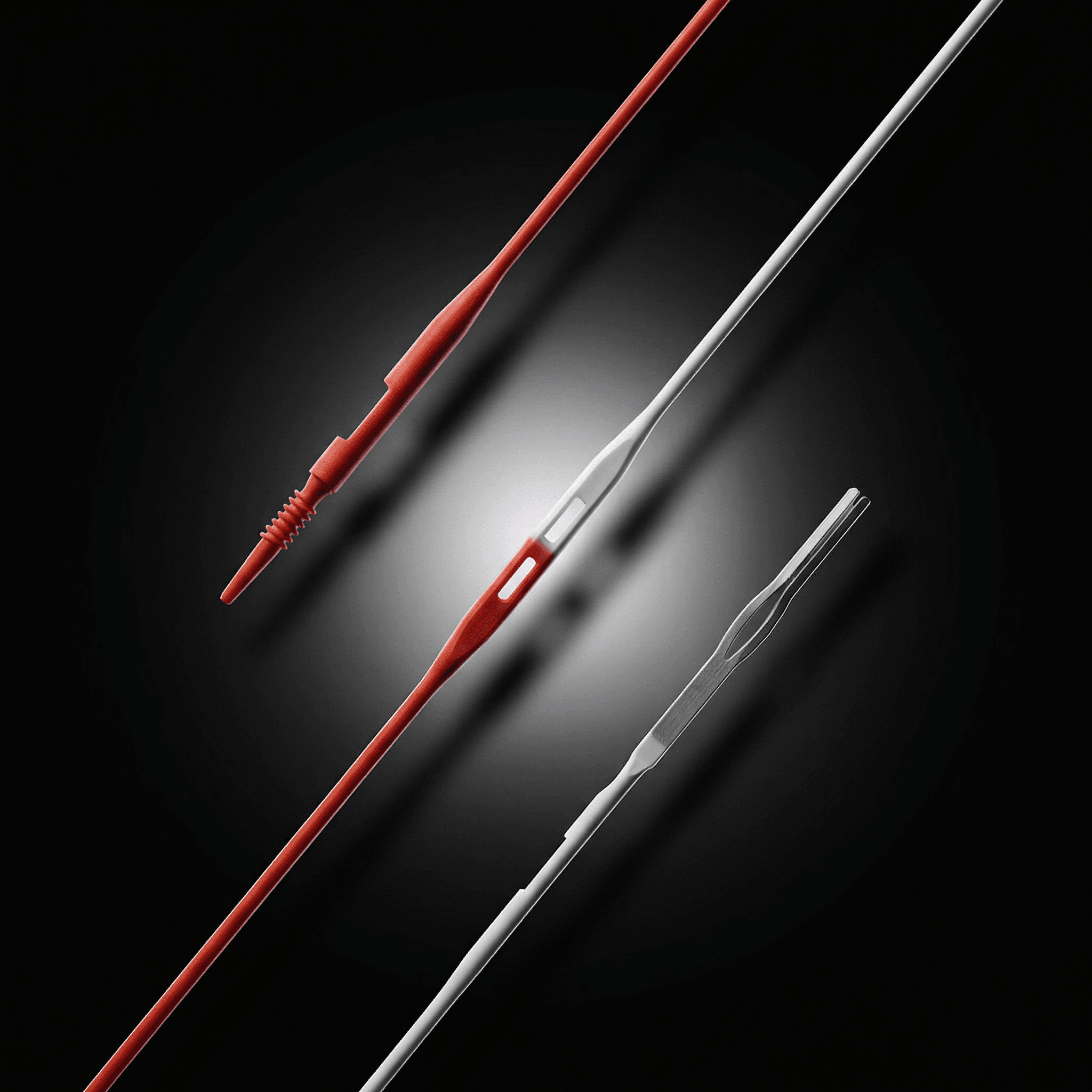
The defining characteristic of leading mills in the next decade will not be the brand of loom they operate — it will be the discipline with which they manage system-level performance. Component-by-component maintenance thinking is giving way to integrated system optimisation: understanding how the top frame, AHS, healds, springs, connectors, and bottom frame interact as a single engineering unit, and managing that unit to a performance specification rather than a failure threshold.
- System-level performance monitoring enabling data-driven maintenance decisions
- Total cost of ownership frameworks replacing purchase price as the primary procurement metric
- Predictive maintenance intervals driven by component performance data rather than fixed schedules
- Sustainability reporting incorporating waste-per-metre-woven as a key manufacturing metric
- Regional manufacturing diversification creating demand for consistent performance standards across varied loom types and brands
The Long-Term Imperative
The mills that thrive in 2030 and beyond will be those that made the transition from reactive maintenance to precision performance management in the years before it became essential. The tools exist today — 266 years of engineering heritage, 650+ patents, and a global field installation base that spans every major weaving region. The future of textile manufacturing is not coming. For the mills that choose it, it is already here.
For more information, contact info@aastech.co.
Related Articles

Stay Ahead of the Industry
Subscribe for engineering insights, performance strategies, and AAS Tech innovations delivered to your inbox.