
The Future of Weaving: How AAS Healds Are Changing the Textile Industry
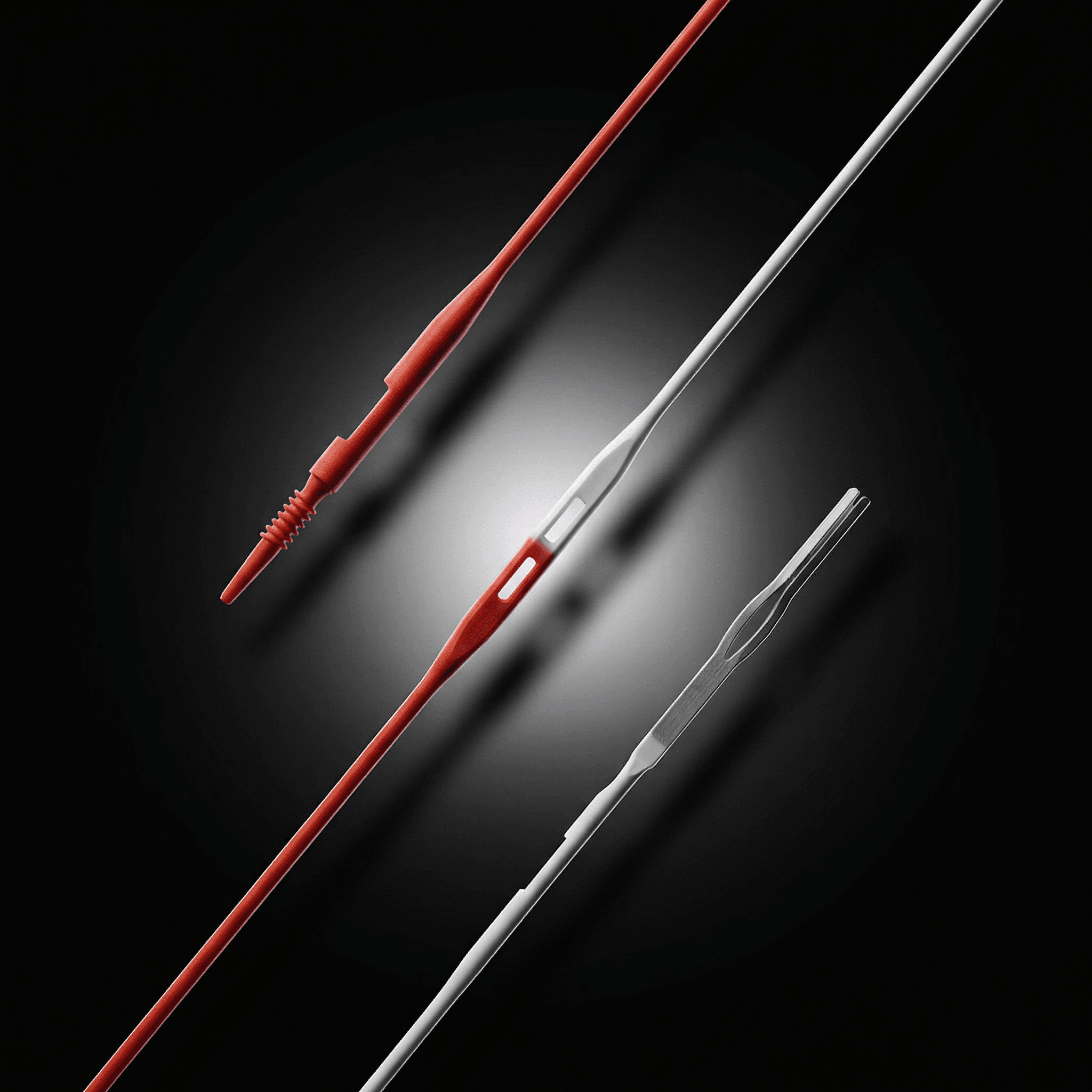
The textile industry is not standing still. Mills worldwide are under simultaneous pressure to increase output speeds, improve fabric consistency, reduce defect rates, and control operational costs — all in an environment of tightening labour availability and increasing quality expectations from downstream customers. The traditional response to these pressures — incremental adjustment of loom settings, increased maintenance frequency, and operator skill development — is approaching its effectiveness ceiling.
The Heald as the Performance Lever
AAS Tech's engineering programme has identified the heald system as the primary untapped lever for transformative loom performance improvement. While much of the industry's technical focus has been directed at loom drive systems, electronic dobby mechanisms, and shed geometry optimisation, the heald — the component that makes direct contact with every yarn end on every pick — has remained largely unchanged in its fundamental design for decades.
This gap between heald design evolution and loom capability evolution is the core performance constraint that AAS Tech's heald engineering programme addresses. As loom speeds have increased, the demands placed on heald components have intensified proportionally — but heald design has not kept pace. The result is a growing mismatch between what modern high-speed looms are capable of and what conventional heald systems can reliably support.
Innovation Without a Trade-Off
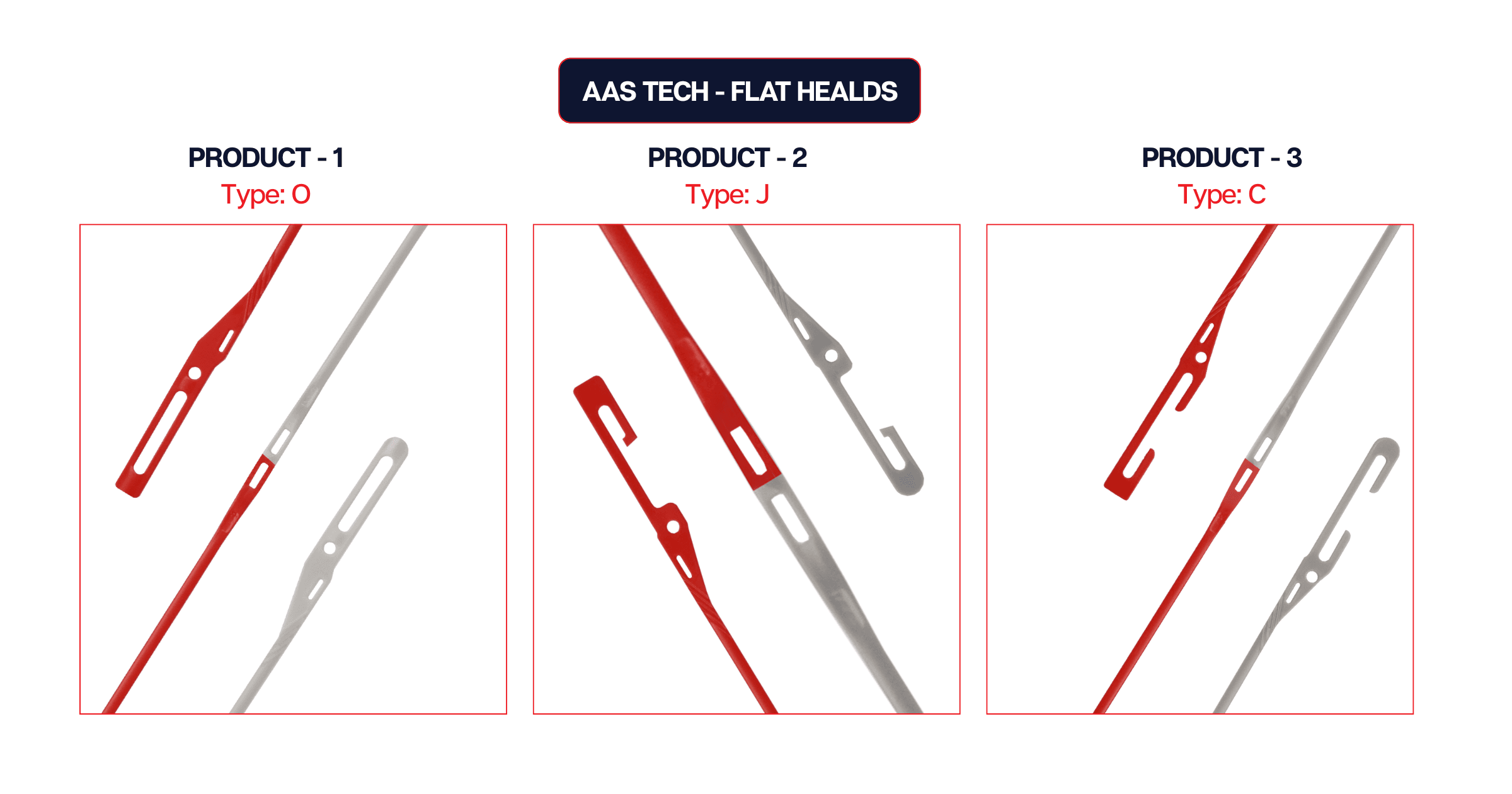
AAS Tech's heald engineering innovations — dual-material construction, elliptical dual-eye geometry, ATDT detection technology, and flat heald contact systems — are designed to remove the performance ceiling without introducing new operational constraints. Each innovation addresses a specific failure mode in conventional heald design while maintaining full compatibility with existing loom platforms and operating procedures.
- Longer Changeout: AAS healds carry a 3-year warranty and are engineered for extended service life — reducing the replacement frequency and associated downtime that conventional healds impose
- Enhanced Fabric Quality: By minimising friction and maintaining consistent yarn contact geometry, AAS healds produce measurably higher fabric quality with fewer defects per unit length
- Higher Operating Speeds: Reduced yarn breakage rates at given speeds enable mills to increase RPM targets without proportionally increasing breakage frequency — unlocking loom capacity that conventional healds could not support
- Reduced Maintenance Load: Consistent heald performance over extended service intervals reduces the frequency of frame inspections and heald replacements, freeing engineering resource for value-adding activities
“The future of weaving is not defined by the loom. It is defined by the components inside it. AAS Tech's heald engineering programme is building the components that make the next generation of loom performance possible.”
— AAS Tech Engineering Team
For more information, contact info@aastech.co.
Related Articles

Stay Ahead of the Industry
Subscribe for engineering insights, performance strategies, and AAS Tech innovations delivered to your inbox.