
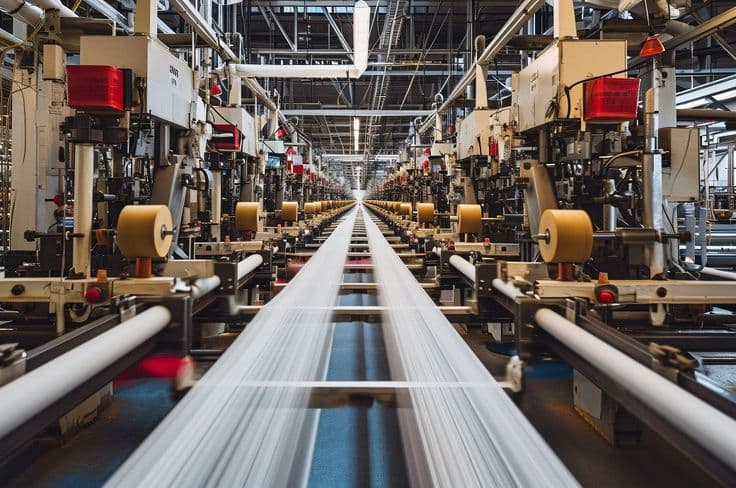
YourLoomsAreLosingYouMoney.Here'sWhere.
Running Below Capacity
Your looms are operating at lower RPM than they're capable of. Every revolution you're missing is fabric you're not producing.
Yarn Breakage
Excessive friction, poor alignment, and inconsistent tension cause thread breaks — stopping production and creating waste.
Constant Downtime
Frequent mechanical stops for maintenance, adjustments, and replacements eat into your productive hours every single day.
Pressure to Buy New Machines
You're told the only solution is new looms at $120,000 to $250,000 each. Across a factory of hundreds of machines, that's not a solution — it's a financial burden.
Fabric Quality Defects
Inconsistent tension, vibration, and misalignment create visible defects that cost you rejected orders and damaged reputation.
Skyrocketing Maintenance
Worn components, vibration damage, and frequent replacements keep your maintenance costs climbing.
Why It Matters
Three Problems Silently Destroying Your Margins
Every day these go unaddressed, the cost compounds.
Every Hour of Underperformance Has a Price.
When looms run below their rated RPM, the financial loss is invisible on paper — but devastatingly real. Reduced picks per minute, higher waste ratios, and missed delivery windows accumulate into margins that quietly erode month after month. Mills often absorb this cost without ever identifying the mechanical root cause.
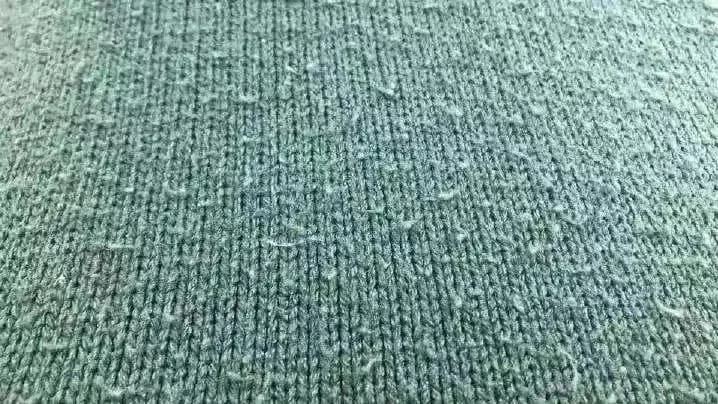
Pilling Doesn't Start on the Fabric. It Starts in the Loom.
Pilling — the formation of fiber balls on fabric surfaces — is a direct consequence of excessive friction and misaligned yarn guidance inside the loom. When healds, tubes, and tension systems are out of calibration, yarn fibers break at the microscopic level during weaving. The result appears on your finished fabric as surface degradation, rejected orders, and damaged customer relationships.
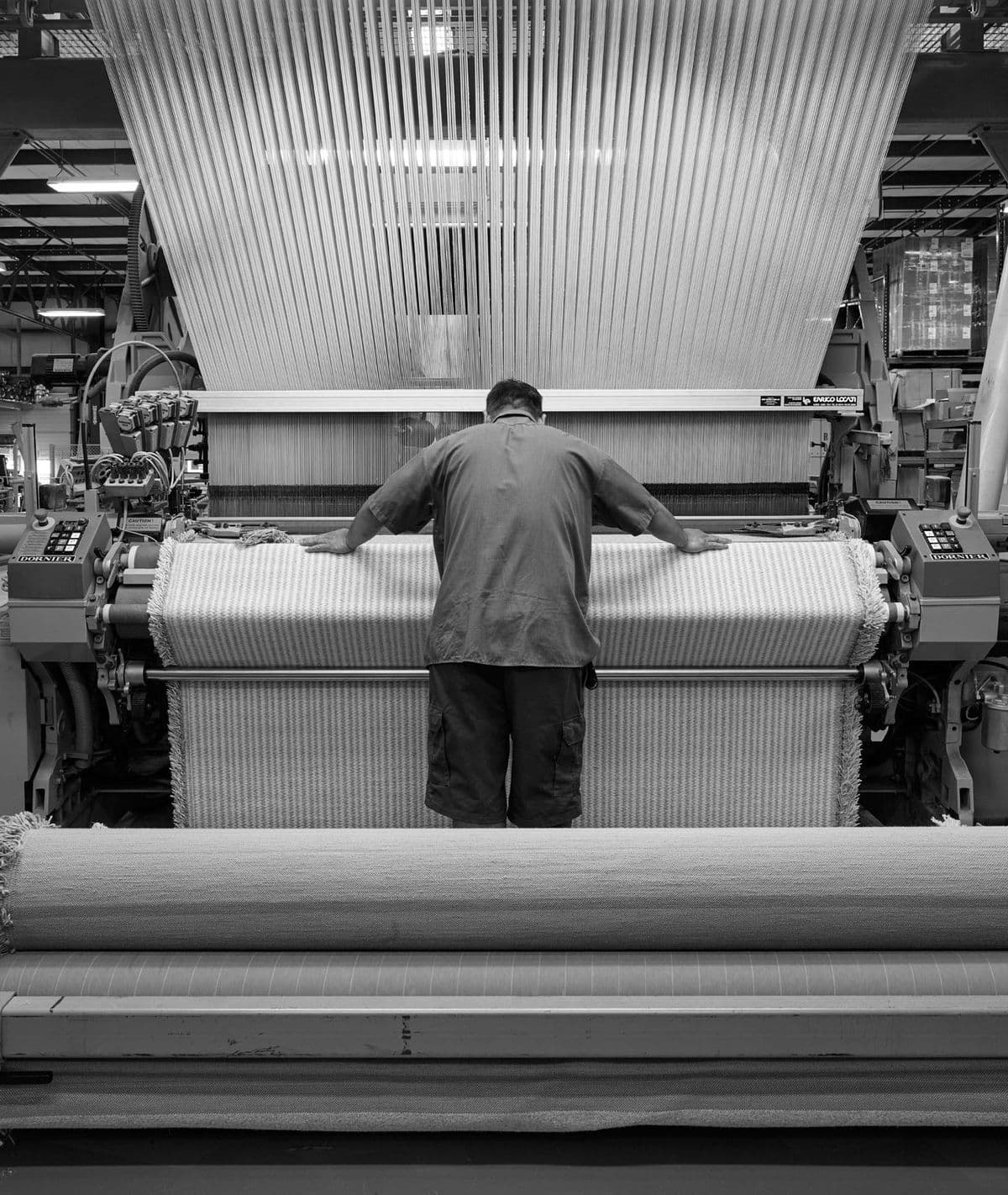
Reactive Maintenance Is the Most Expensive Strategy.
Replacing worn components after they fail costs three to five times more than a planned upgrade. Unplanned mechanical stops, emergency part sourcing, technician overtime, and production gaps compound into a maintenance burden that never shrinks — it only grows as components degrade further. The real cost isn't the part. It's everything that stops when the part fails.
What If the Machine Isn't the Problem?
The performance gap in your loom isn't about the machine itself. It's about what's happening inside it. When critical internal components are misaligned, poorly calibrated, or working against each other, even the best loom underperforms.
Industry data shows that the average loom in operation today runs 18–22% below its OEM-rated RPM. Not because the machine is faulty — but because harness cords, healds, springs, and connectors are not working in harmony.
Misaligned harness cords create friction. Friction causes vibration. Vibration accelerates wear. Wear triggers stoppages. It is a compounding cascade — and it starts with a single misaligned component that no one has yet identified as the root cause.
AAS Tech's Frame-to-Frame system addresses this at the source. By engineering complete mechanical harmony across every layer — from alignment control to tension calibration — your existing machines are restored to perform like new ones. No capital investment in new looms required.
Step 1 — The Symptom
Loom Underperforms
Operating below rated RPM, frequent unplanned stops, rising waste.
Step 2 — The Cause
Internal Misalignment
Components working against each other — harness cords, healds, springs out of sync.
Yarn filaments damage due to vibration.
Step 3 — The Cascade
Friction & Vibration
Heat buildup, yarn breakage, accelerated wear — compounding into daily production loss.
The Solution
F2F System Fixes It
Precision-engineered harmony from frame to frame — your existing machines perform like new ones.
Six Precision-Engineered Solutions.
One Integrated System.
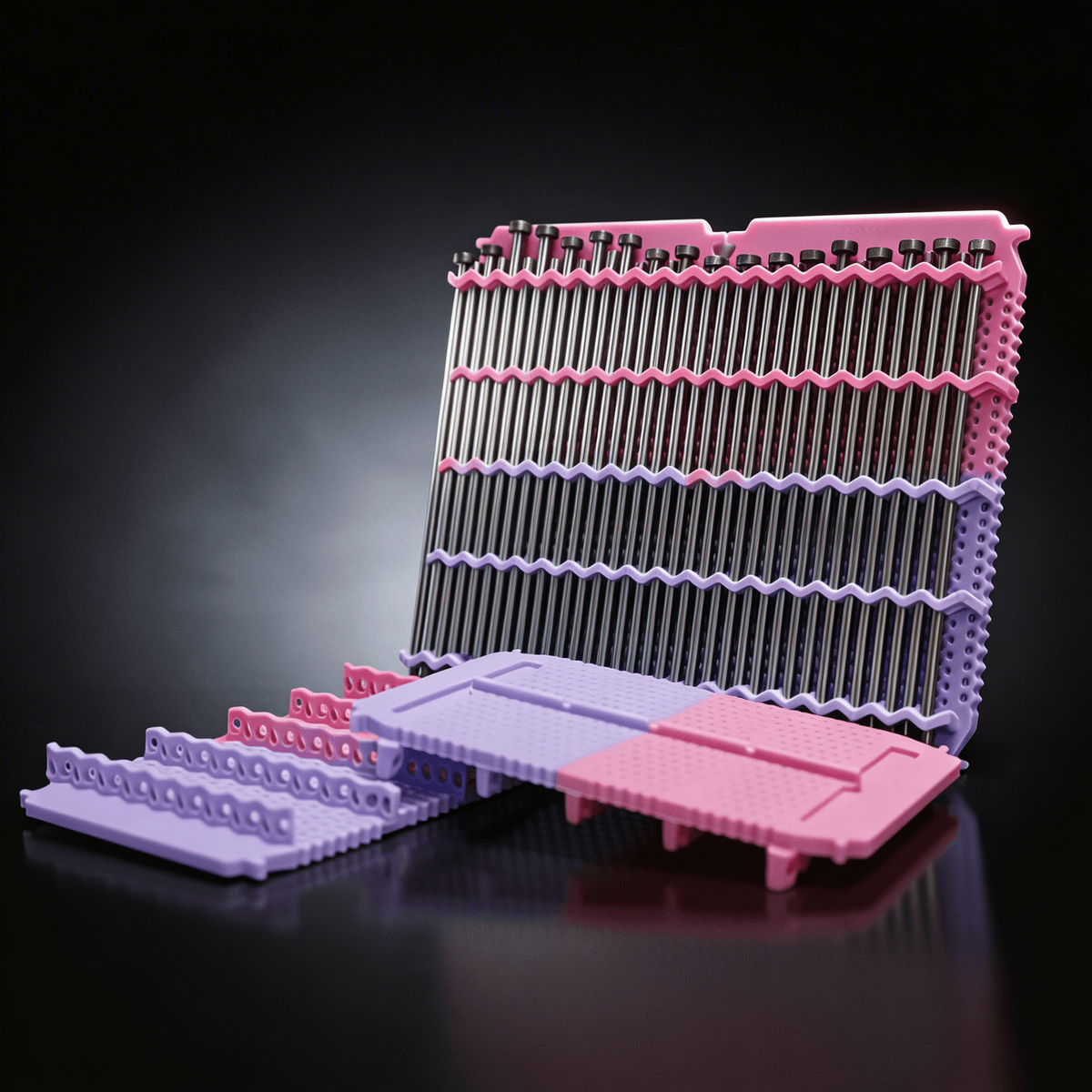
Core Product
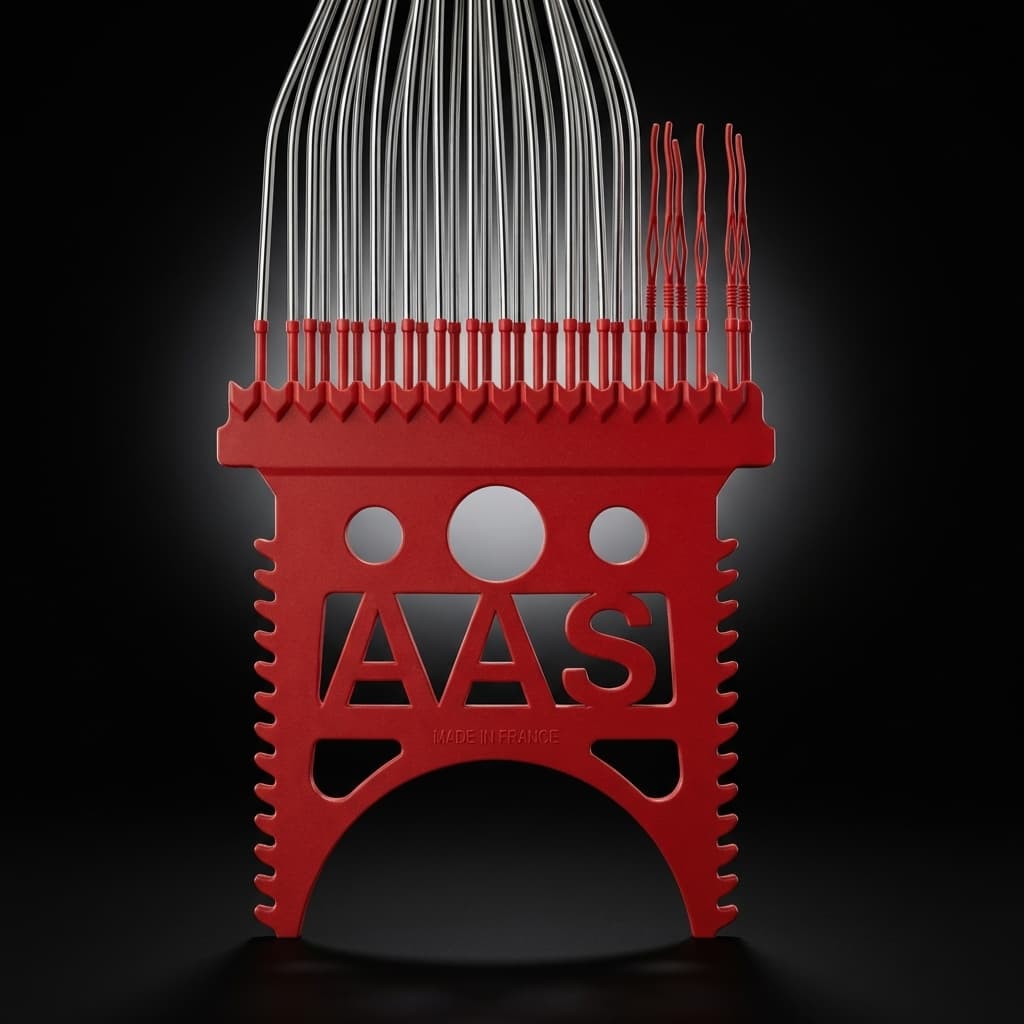
AHS — Aligned Harness Sieve
The alignment control system of the loom. A specialized high-performance comber board assembly designed to maintain perf...
Layer 1 — Alignment Control
Key Features
- Precision cord alignment channels eliminating drift and cross-over
- Steel + polymer hybrid construction for durability and friction reduction
- Reduced friction geometry minimizing heat generation and cord wear
- Extended operational life under continuous high-speed weaving
- Up to 15-year lifetime warranty
Problems It Solves
- Harness cord misalignment causing fabric defects
- Excessive yarn friction leading to breakage and waste
- Loom instability and vibration from cord drift
- Reduced efficiency due to frequent stoppages
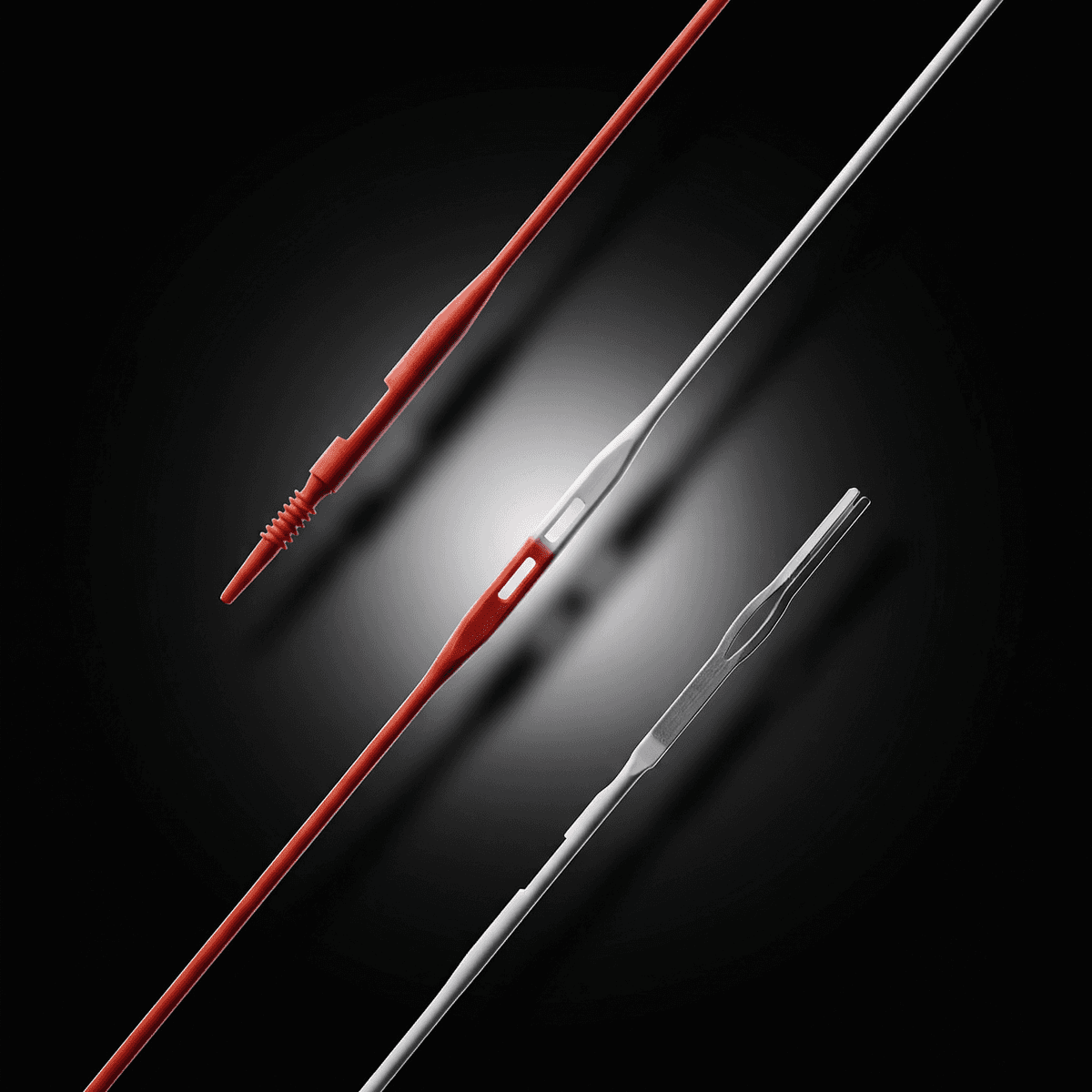
Yarn Guidance
Healds — Wire Healds & Flat Healds
Critical components that physically guide individual warp threads during the weaving process. Wire healds for high-speed...
Layer 2 — Yarn Guidance
Key Features
- Dual-eye heald design for improved yarn guidance accuracy
- Dual-material technology optimized for durability and friction reduction
- Precision-machined eye geometry for clean shed formation
- Reduced friction surfaces extending yarn and heald lifespan
- Compatible with Rapier-Jacquard, Air Jet, and Water Jet systems
Problems It Solves
- Yarn breakage from poor warp thread guidance
- Fabric defects caused by inconsistent shed formation
- High heald replacement frequency with conventional products
- Friction-induced yarn degradation at high RPM
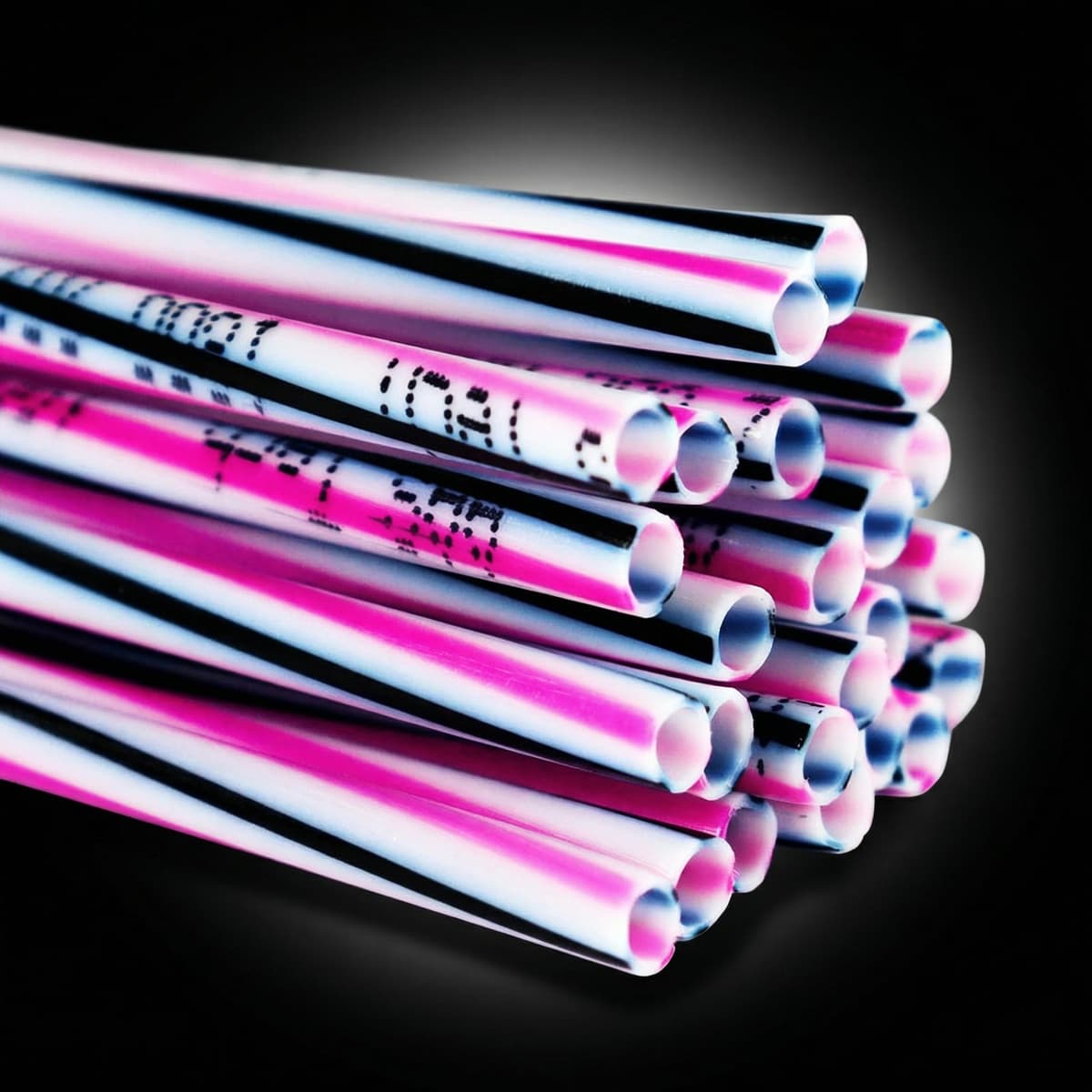
Cord Guidance
Tubes
Precision tubes engineered for jacquard harness systems to guide harness cords smoothly through the loom. Tubes encase t...
Layer 3 — Cord Guidance
Key Features
- High-tolerance manufacturing for minimal internal friction
- Engineered polymer with optimized surface finish
- Colour-coded and striped variants for easy identification
- Designed to match or exceed heald lifecycle
- Seamless integration with AAS Tech healds and springs
Problems It Solves
- Cord friction causing heat build-up and premature wear
- Harness cord tangling and misalignment
- Thread instability during high-speed operation
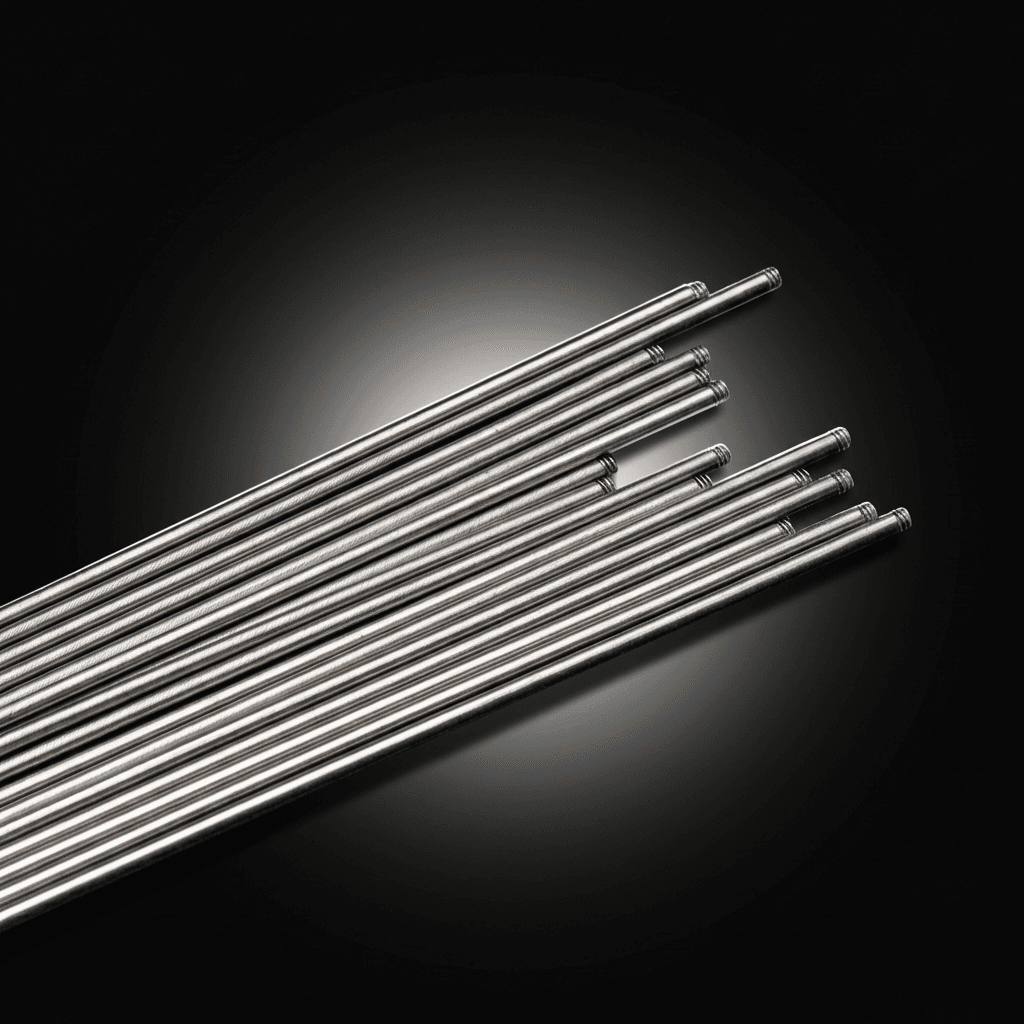
Tension Control
Springs
Performance springs calibrated to maintain tension balance throughout the weaving cycle. A critical element within the F...
Layer 4 — Tension Control
Key Features
- Precision-calibrated for stable tension and optimal loom response
- Engineered vibration absorption and damping
- High-fatigue-life materials for extended operational cycles
- Seamless integration with AAS Tech tubes, healds, and connectors
Problems It Solves
- Inconsistent yarn tension causing fabric quality defects
- Mechanical vibration transmitted through the harness system
- Premature spring fatigue from poor material or calibration
Fine-Tuning
Adjustable Connectors
Mechanical connectors providing the fine-tuning capability that allows the entire Frame-to-Frame system to be calibrated...
Layer 5 — Fine-Tuning
Key Features
- Quick-adjustment mechanism for rapid setup and calibration
- Stable tension maintenance at all adjustment points
- Secure fit across multiple loom configurations
- Engineered for long-term dimensional stability under cyclic load
Problems It Solves
- Imprecise harness geometry causing uneven shed formation
- Difficulty fine-tuning during installation or changeover
- Unstable connections leading to vibration and performance loss
Foundation
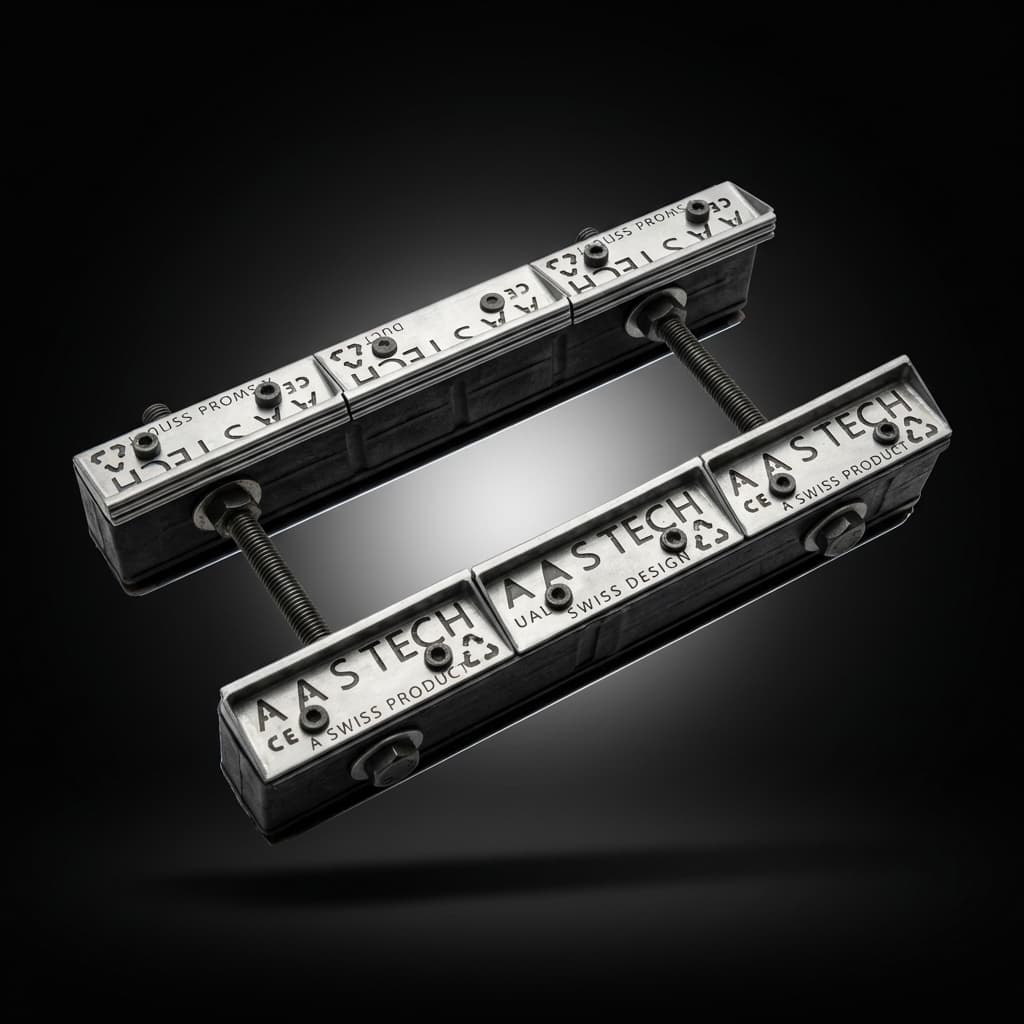
Bottom Frame
The lower structural frame of the Frame-to-Frame system. Provides the base rigidity and dimensional stability required f...
Layer 6 — Structural Base
Key Features
- Structurally optimized for rigidity and long-term dimensional stability
- Bolt-secured assembly for reliable installation
- Engineered to maintain precise geometry under continuous cyclic loading
- CE marked — AAS TECH / AAS Tech Swiss Design
Problems It Solves
- Structural instability in the harness assembly
- Excessive vibration transmitted through the frame
- Premature wear of connected components due to frame movement
The Frame-to-Frame System:
Complete Loom Optimization
AAS Tech's signature performance system. A complete engineered harness assembly designed as a universal solution for all loom types.
Top Frame
Upper structural frame housing the AHS. Provides the anchor point for the entire harness system.
Optimized Cord Positioning
Eliminates lateral drift, improves yarn alignment
AHS (Aligned Harness Sieve)
Precision-engineered comber board ensuring perfect harness cord alignment between jacquard machine and warp threads.
Reduced Friction
Lower mechanical friction across all contact points extends component lifespan
Tubes
Precision tubes guiding harness cords smoothly through the loom with minimal internal friction.
Integrated Cooling
Heat dissipation design prevents thermal degradation at high speed
Healds (Wire & Flat)
Critical components that physically guide individual warp threads during the weaving process.
Tension Stability
Consistent yarn tension at all operating speeds
Springs
Performance springs calibrated to maintain tension balance and damp vibration throughout the weaving cycle.
Reduced Mechanical Wear
Optimized load distribution across all moving components
Adjustable Connectors
Quick-adjustment connectors enabling precise harness geometry calibration for each specific loom.
Higher Operating Efficiency
Measurable improvements in output and energy use
Bottom Frame
Lower structural frame is reinforced with our special high performance alloy adaptor providing rigidity
Frame-to-Frame Harmony
Every layer engineered to work as one integrated system — not isolated parts
What Changes After Installation
Measured improvements from engineering tests and real-world installations across rapier-jacquard, air-jet, and water-jet looms.
RPM Improvements
Your looms run faster, producing more fabric per shift.
Pilling Improvement
Reduced fiber damage and superior fabric surface quality.
ROI Timeline
The investment pays for itself through increased production output.
Significantly Reduced Downtime and Yarn Breakage
Fewer stops, less waste, and consistent production flow.
Significantly Higher Picks Improvement
Higher picks per minute driving increased production output.
Measurably Improved Fabric Quality
Consistent tension and alignment deliver superior output.
Increased Machine Stability
Lower vibration extends machine life and cuts maintenance costs.
See the
Transformation
Rapier Jacquard Mill, Turkey — 400-loom facility. 22% RPM improvement and 40% reduction in yarn breakage after installing AAS Tech AHS and Wire Healds.
Lower RPM
380 RPM — looms operating below rated capacity
RPM Improvements
464 RPM achieved — up from 380
High Yarn Breakage
12 breaks per shift, frequent production stops
Reduction in Yarn Breakage
7 breaks per shift — down from 12
Excessive Downtime
45 min of unplanned stops every single shift
Downtime Reduction
22 min per shift — down from 45 min
Quality Rejections
4.2% fabric rejection rate, rising waste costs
Months to Full ROI
Full investment recovered ahead of target
Not Sure Which Solution Your Looms Need?
Our engineering team can assess your setup and recommend the right performance package. It includes a free video consultation.
Request a Performance Assessment