
Innovation in Weaving: How AAS Tech Is Redefining Component Engineering
Innovation in manufacturing is most often associated with large-scale systems: new loom platforms, automated quality inspection systems, digital production management tools. These innovations matter — but the performance frontier in weaving is increasingly defined not by the machines themselves but by the precision components operating inside them. AAS Tech's engineering programme is focused on exactly this domain.
Rethinking Heald Design from First Principles
AAS Tech's heald development process begins not with refinement of existing designs but with a first-principles analysis of yarn mechanics at the heald contact point. What are the forces acting on the yarn? How does the contact geometry affect those forces? What material properties would minimise friction while maintaining structural integrity? This analytical approach produces heald designs that differ fundamentally from conventional industry standards — not as incremental improvements but as engineered solutions to problems that previous designs did not fully address.
Cutting-Edge Technology at Component Scale
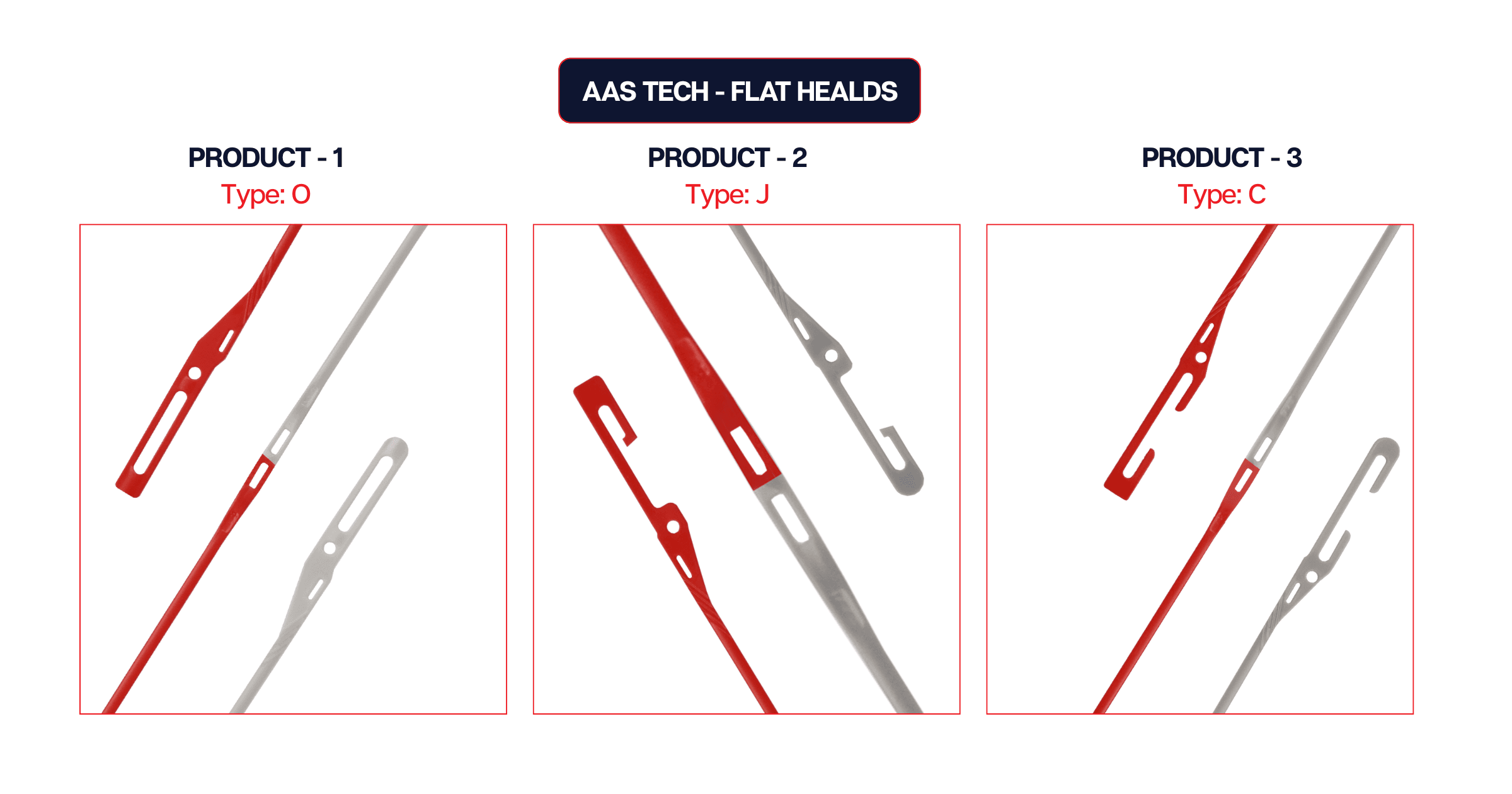
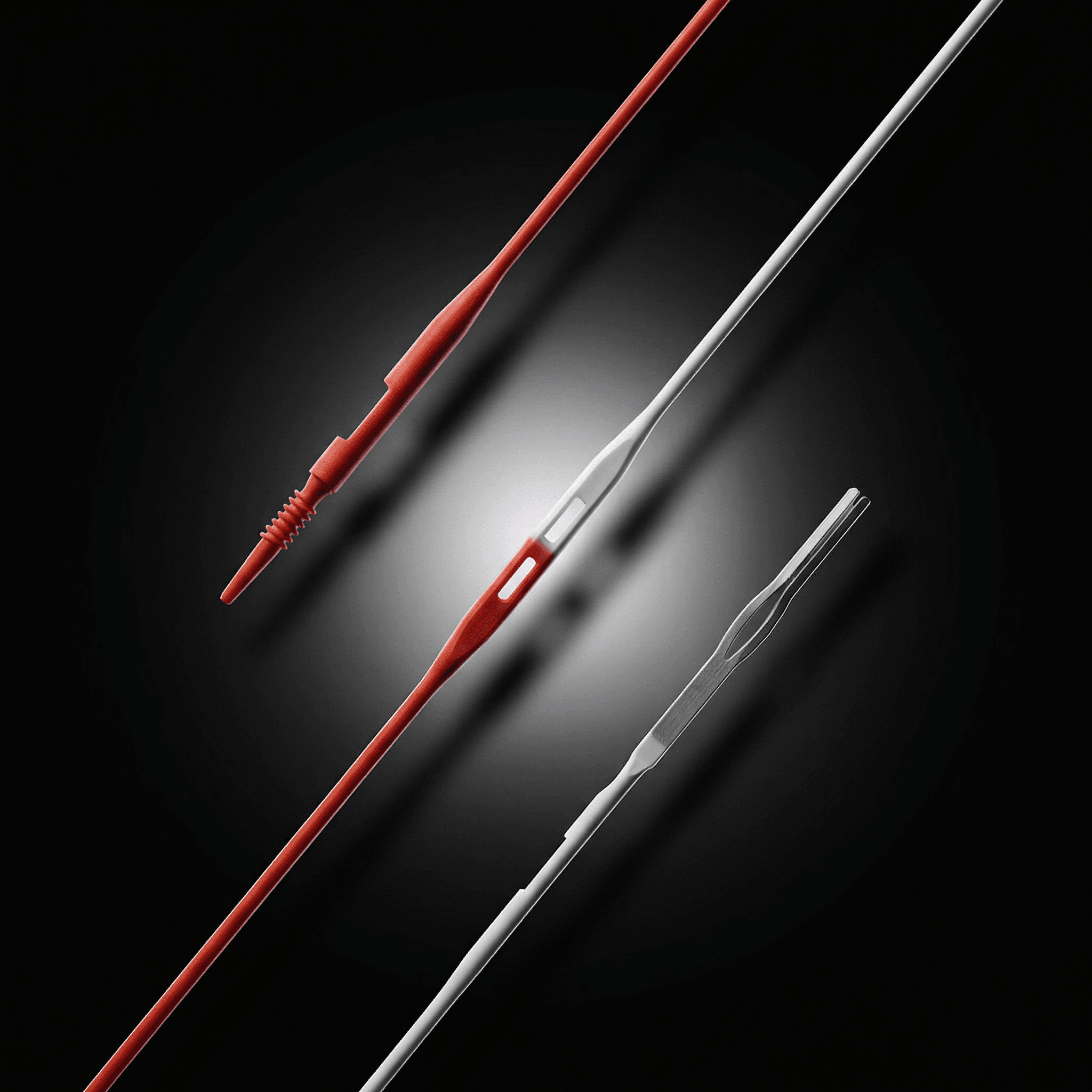
AAS Tech revolutionises weaving with cutting-edge innovations that address long-standing issues in heald performance. Dual-eye technology provides greater control and longer product lifespan — allowing the heald to extend its service life simply by flipping the heald to its second eye position when the first shows wear. This single design feature, simple in concept but precise in execution, doubles the operational service life of the heald without any change to the operating procedure.
The elliptical shape of the heald eye allows for free-flowing, reducing drag and enabling faster yarn movement with minimal or excessive wear. This shape structure enhances contact precision, ensuring the yarn stays in place as it passes efficiently through the heald — and does so with the same contact geometry on pick number one million as on pick number one.
“Innovation at the component level is invisible in isolation and transformative in aggregate. A better heald eye on every heald in every frame on every loom is not a marginal improvement — it is a systemic performance upgrade across the entire operation.”
— AAS Tech Engineering Team
The Compound Effect of Better Components
The impact of heald innovation is not linear — it compounds. Reduced yarn breakage reduces loom stops. Fewer loom stops mean higher utilisation rates. Higher utilisation means more output from the same installed capacity. Better output consistency means fewer quality rejections. Fewer rejections mean higher effective yield from the same yarn input. Each improvement in heald performance generates a cascade of downstream performance improvements that collectively define the difference between a competitive operation and a constrained one.
For more information, contact info@aastech.co.
Related Articles

Stay Ahead of the Industry
Subscribe for engineering insights, performance strategies, and AAS Tech innovations delivered to your inbox.