
Maximizing Loom RPM: The Role of Precision Component Alignment
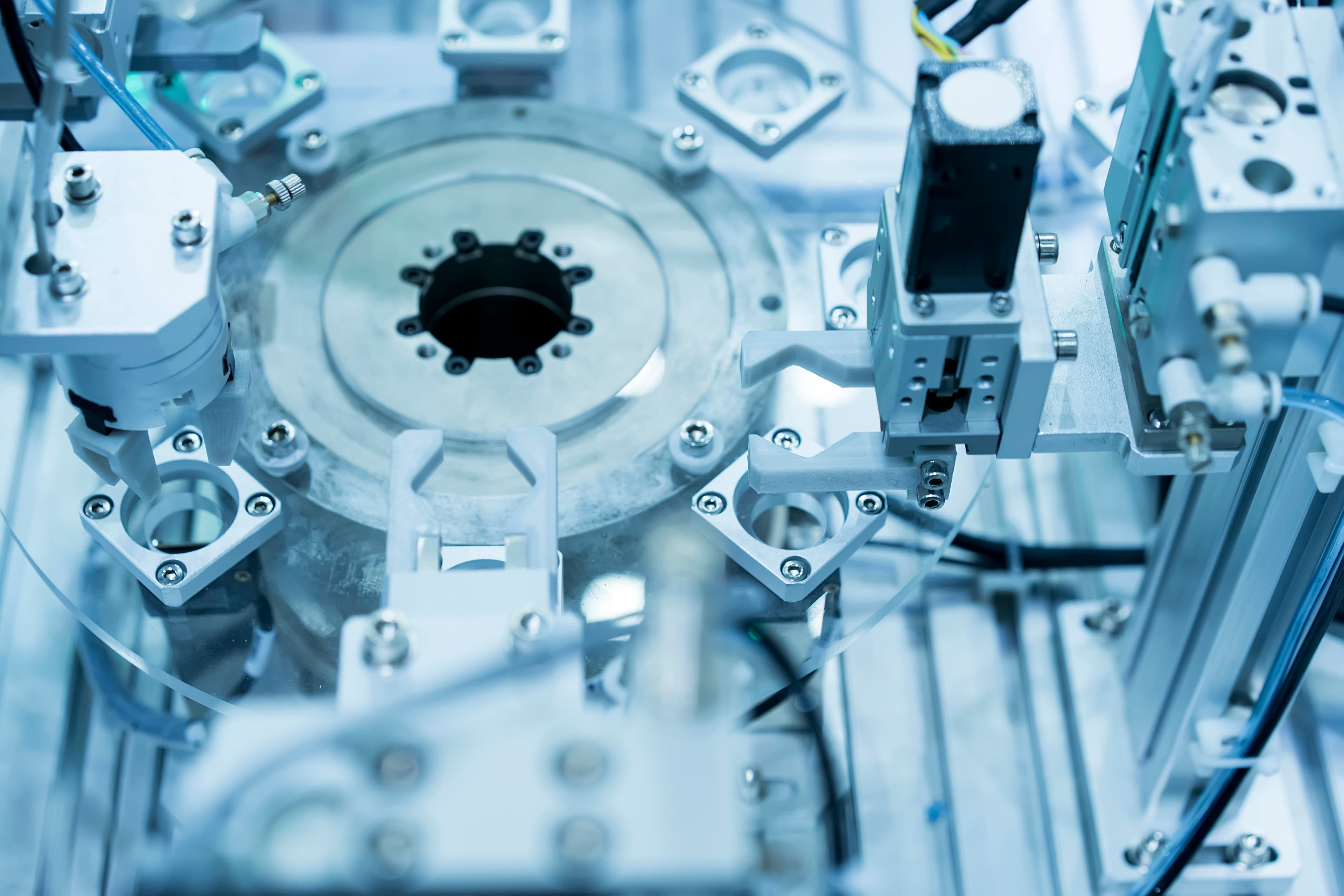
Loom RPM is the single most impactful metric in any weaving operation. A 10% RPM improvement across a 400-loom fleet translates directly into millions of additional metres woven per year — without adding a single machine or shift. Yet most mills operate 15–25% below their looms' rated speed, accepting suboptimal output as a fixed constraint.
Why RPM Drops: The Alignment Problem
The root cause of RPM loss in the majority of installations is not the loom itself — it is the harness system. When harness cords are misaligned by even 0.5mm, the resulting friction cascade affects every downstream component: healds wear unevenly, springs lose calibrated tension, and the entire shedding motion becomes asymmetric. The loom's control system compensates by reducing speed to maintain fabric quality.
Traditional harness systems rely on manual cord positioning during setup, which introduces human variability on every loom change. Over time, as components wear and stretch, the alignment degrades further. Most mills recalibrate only during major maintenance windows — by which time the cumulative RPM loss is significant.
The AHS Approach: Precision at the Source
AAS Tech's Automatic Harness System (AHS) eliminates manual cord positioning entirely. Each cord is guided through precision-machined channels that maintain consistent spacing regardless of operator skill level or loom age. The result is repeatable, measurable alignment accuracy within ±0.1mm — an order of magnitude improvement over manual methods.
“When you solve alignment at the source, every other component in the harness system performs closer to its design specification. The RPM gains are not theoretical — they are the inevitable result of engineering precision.”
— AAS Tech Engineering Team
Measurable Results from the Field
Across installations in Turkey, India, and Vietnam, mills upgrading to AHS have recorded RPM improvements ranging from +7% to +22% — with no other changes to the loom setup. The gains compound when AHS is paired with AAS Tech Wire Healds and precision Springs as part of the Frame-to-Frame system.
- RPM improvement of +7% to +22% from AHS alone
- Yarn breakage reduction of 25–40% due to consistent shedding geometry
- Maintenance intervals extended by 30–50% through reduced component wear
- ROI typically achieved within 8–12 months on the first installation batch
Getting Started
Every mill is different, and the potential RPM gain depends on current harness condition, loom type, and fabric specifications. AAS Tech's Performance Assessment provides a detailed analysis of your specific installation and projects the expected improvement before any commitment. Contact us to schedule an assessment for your facility.
For more information, contact info@aastech.co.
Related Articles


Stay Ahead of the Industry
Subscribe for engineering insights, performance strategies, and AAS Tech innovations delivered to your inbox.