The Biggest Challenges in Traditional Weaving
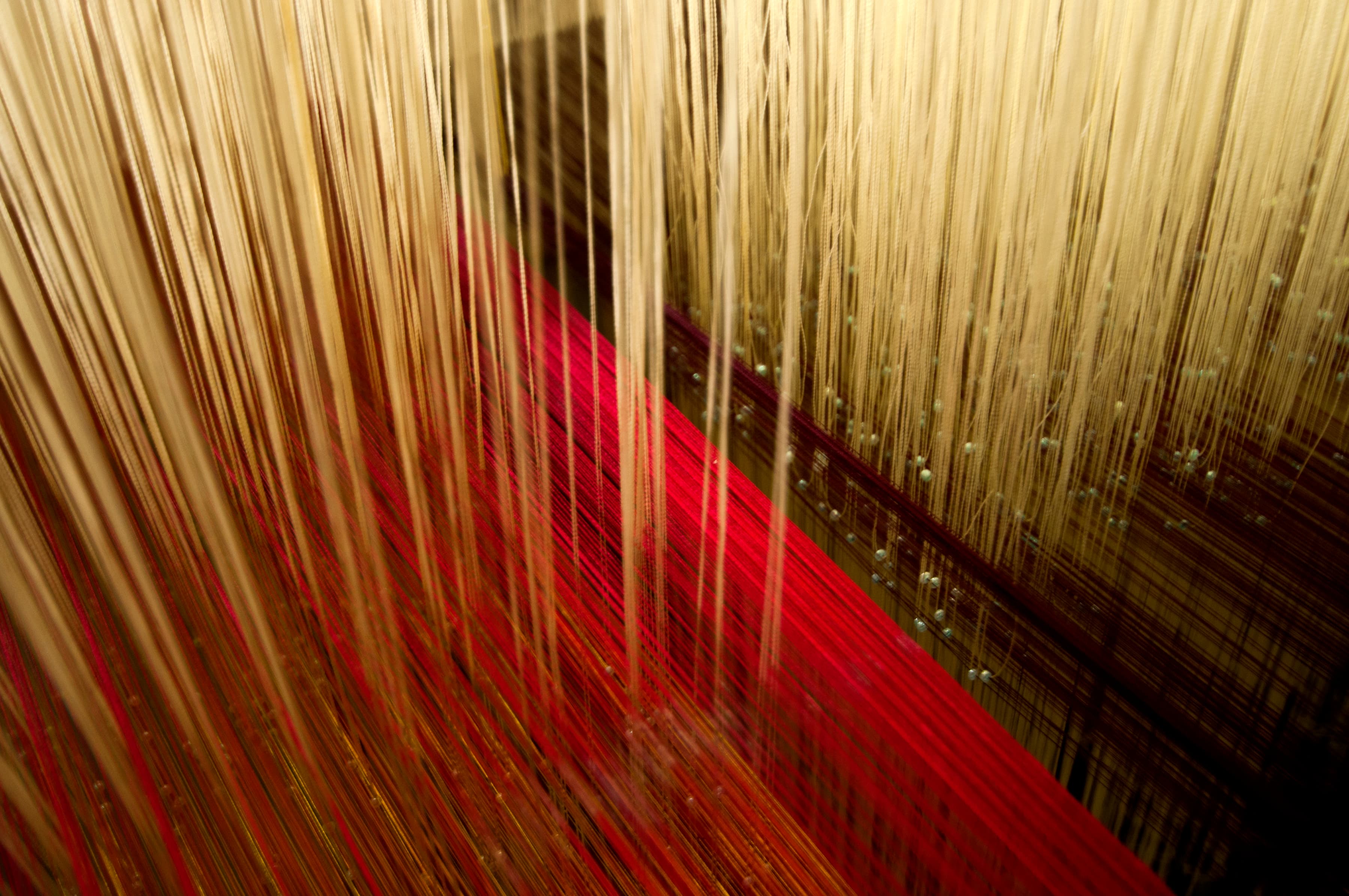
Textile mills worldwide operate under the same fundamental constraints that have defined woven fabric production for generations. High friction, frequent thread breakage, inefficient yarn movement, and rising maintenance costs are not new problems — they are structural characteristics of conventional weaving that have been accepted as inevitable. Understanding why these challenges persist is the first step toward understanding how they can be systematically eliminated.
High Friction and Thread Breakage
Conventional healds create excessive friction and improper designs for yarn alignment. The result is thread breakage and increased machine downtime. In a conventional weaving operation, thread breakage is the single largest source of unplanned downtime — and the most direct driver of productivity loss. Each break requires operator intervention, re-threading, and system restart, consuming time and labour disproportionate to the scale of the event. Across a facility with hundreds of looms running three shifts, the cumulative downtime from thread breakage can represent 15–25% of total available production time.
Poor Yarn Management
Traditional heald designs reduce the durability of looms, accommodating fewer types of yarns efficiently and limiting production flexibility. As yarn specifications diversify — finer counts, specialty fibres, high-tenacity yarns for technical applications — the conventional heald design's inability to accommodate different yarn properties without adjustment creates a consistent tension between production efficiency and product range.
Rising Replacement Costs
Improper heald designs reduce the service life of looms and increase replacement and maintenance costs. Conventional healds operating in high-friction conditions wear at a rate determined by the friction load they generate — creating a reinforcing cycle in which high-friction design produces accelerated wear, which increases friction further, which accelerates wear further. This cycle drives replacement frequencies that represent a significant and often underestimated operational cost.
“The challenges of traditional weaving are not mysteries — they are the predictable consequences of component designs that were standardised before the performance requirements of modern high-speed weaving existed. They persist because they have been accepted, not because they are unavoidable.”
— AAS Tech Engineering Team
Addressing Root Causes, Not Symptoms
AAS Tech's engineering programme addresses each of these challenges at the root-cause level — through heald geometry, material selection, and surface engineering — rather than through operational workarounds or maintenance intensification. The result is a consistent, measurable improvement in the performance parameters that define weaving economics: uptime, yield, speed, and quality.
For more information, contact info@aastech.co.
Related Articles


Stay Ahead of the Industry
Subscribe for engineering insights, performance strategies, and AAS Tech innovations delivered to your inbox.