
Engineering Sustainability: The Textile Industry's Responsibility and Opportunity
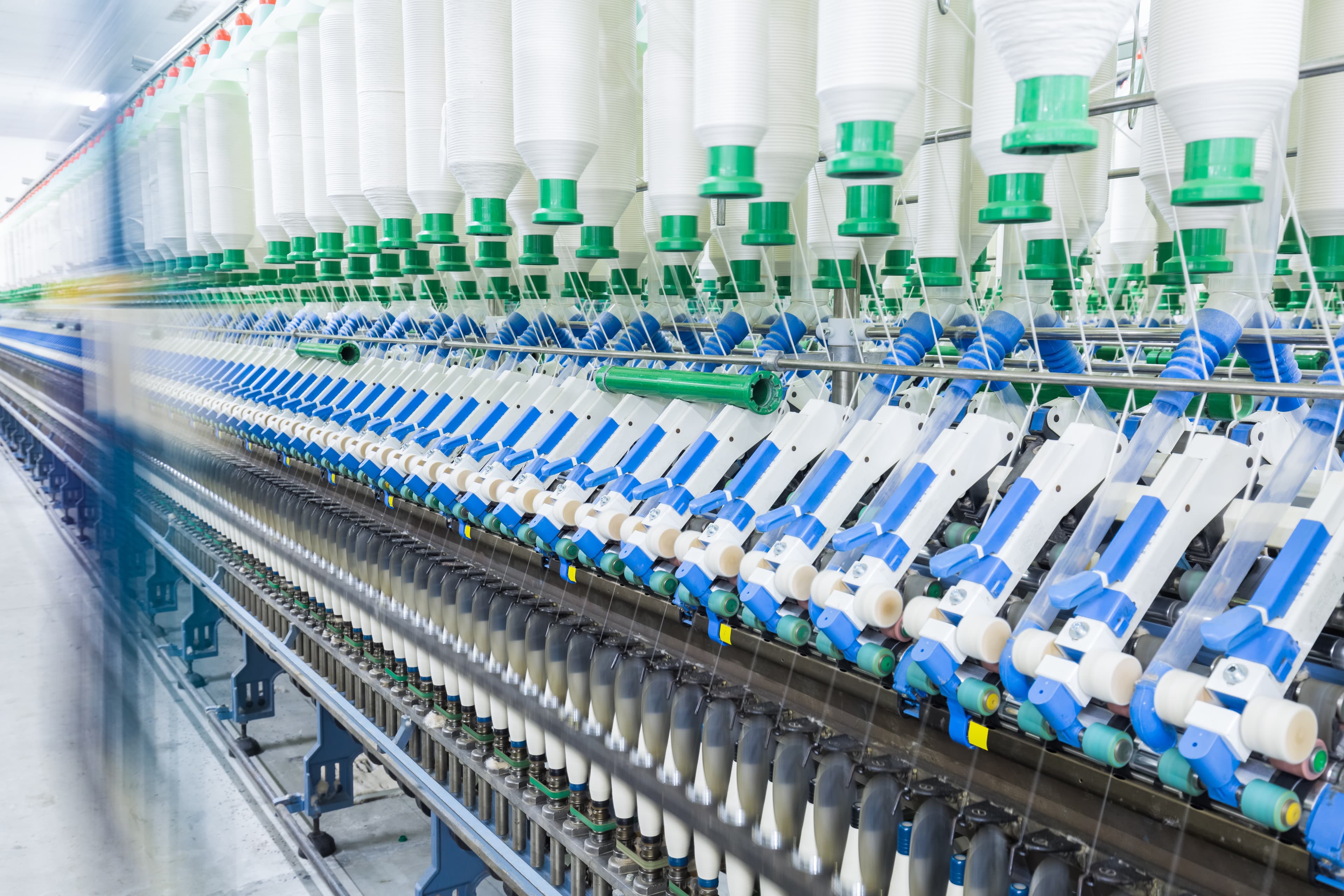
Sustainability in engineering is the discipline of designing, constructing, and operating systems in ways that meet present needs without compromising the ability of future generations to meet their own. For the textile manufacturing industry, this definition has moved from boardroom rhetoric to operational reality — and the engineers at the heart of this transition are discovering that precision and sustainability are not competing objectives. They are the same objective, pursued at different scales.
The Engineer's Role in the Sustainability Transition
Engineers are the primary agents of industrial transformation. When a new manufacturing process reduces energy consumption per unit, an engineer designed it. When a component lasts three times longer and generates less waste, an engineer specified the materials. The sustainability outcomes of any manufacturing operation are, ultimately, the accumulated result of engineering decisions made at the component and system level.
In textile manufacturing, this means the conversation about sustainability cannot stop at renewable energy installations or water recycling infrastructure. It must extend to the precision of the components inside every loom on the floor — because those components determine how efficiently raw materials are converted into finished fabric, and how much is wasted in the process.
Challenges in Traditional Manufacturing Practice
Traditional textile engineering practices were not designed with sustainability as a primary constraint. Components were specified for initial cost. Maintenance was reactive rather than predictive. Performance degradation was accepted as an inevitable consequence of machine age. Each of these defaults carries a hidden environmental cost: more waste per metre, more energy per pick, more raw material consumed per kilogram of output.
“The most sustainable loom is the one running at its engineered optimum. Every percentage point of performance lost to worn components is also a percentage point of environmental efficiency lost.”
— AAS Tech Engineering Team
Precision as the Foundation of Sustainable Production
- Precision-aligned harness systems reduce yarn breakage by 25–40%, directly cutting raw material waste
- Extended component service life reduces the manufacturing and logistics footprint of replacement parts
- Consistent shedding geometry reduces fabric defect rates and the waste from producing unsaleable cloth
- System-level optimisation reduces unplanned stops — each of which wastes energy on restart and stabilisation cycles
The path to sustainable textile manufacturing runs through the harness room. AAS Tech's precision components do not just improve performance metrics — they improve the environmental efficiency of every metre woven. That is engineering sustainability at its most direct.
For more information, contact info@aastech.co.
Related Articles


Stay Ahead of the Industry
Subscribe for engineering insights, performance strategies, and AAS Tech innovations delivered to your inbox.