
The Silent Enemy in Weaving: Friction
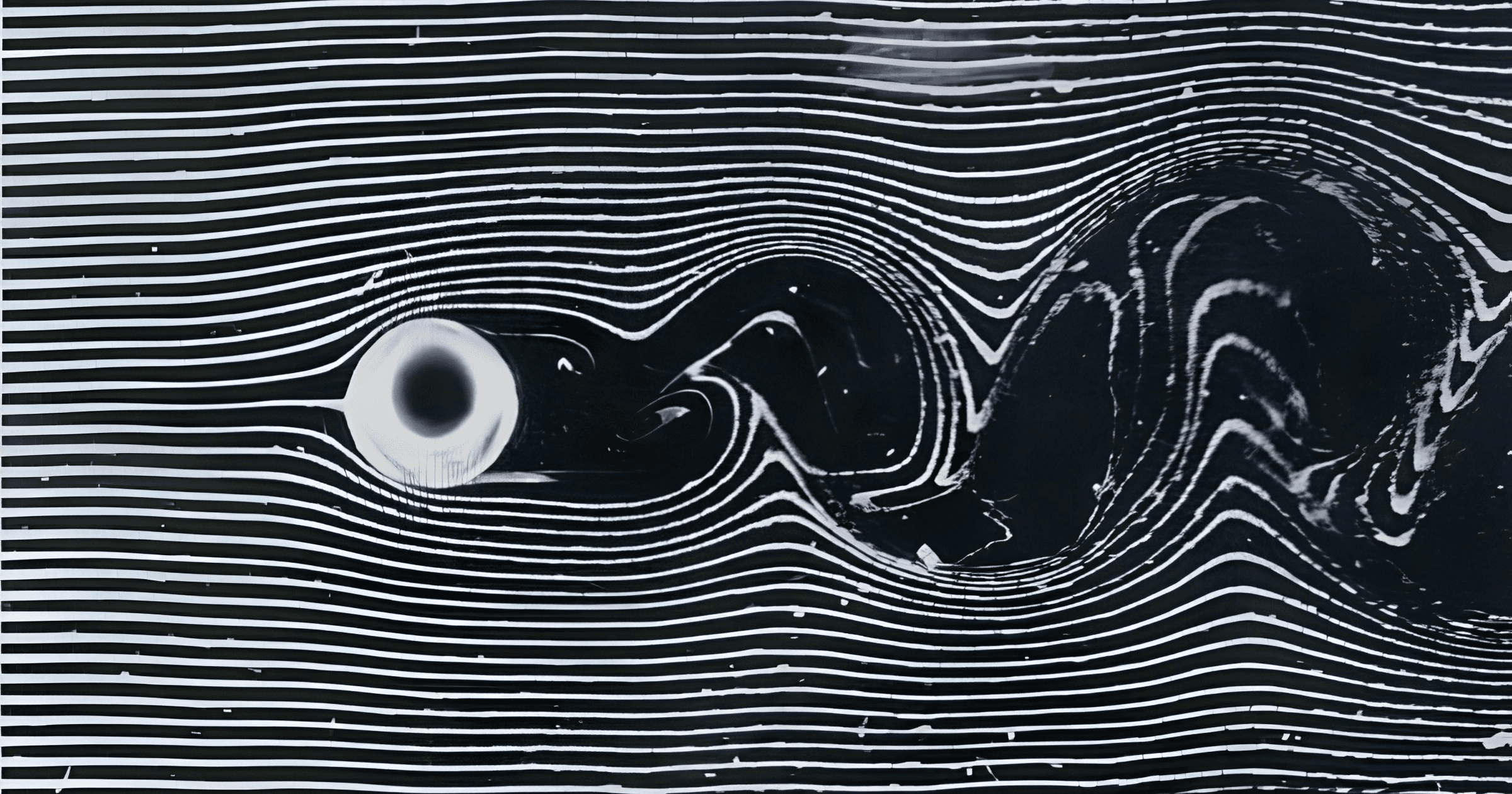
Friction is weaving's silent enemy. Unlike a mechanical failure that triggers an alarm, or a yarn break that stops production, friction works invisibly — degrading yarn quality, accelerating component wear, and compressing the performance window of every loom it touches. By the time the consequences are visible in fabric quality or breakage rates, significant damage has already accumulated.
Where Friction Enters the System
In a weaving machine, friction is introduced at every contact point between moving yarn and a mechanical surface. The heald eye is the most critical of these points — it is where the yarn is under the highest tension, moving at the highest speed, and making the most direct contact with a metal surface. Heald eye geometry, surface finish, and material composition all determine how much friction is generated at this point on every single pick.
Traditional healds contribute to this problem through surface irregularities that act as microscopic catch points for yarn fibres, poorly optimised eye geometry that forces the yarn through a non-natural movement arc, and single-material construction that lacks the lubrication properties needed to sustain low-friction contact over extended operational periods.
The Compounding Effect
A loom running at 600 RPM processes 600 picks per minute. Each pick is a heald cycle — a complete raise, hold, and drop sequence. At that rate, a single heald eye makes contact with the yarn 864,000 times in a 24-hour period. Across a frame with 3,000 healds, that is 2.6 billion contact events per day. Even a marginal friction coefficient at each contact point accumulates into a measurable force on the yarn — and on the heald itself.
“Traditional healds contribute to friction through surface irregularities, poor material lubricity, and eye geometry that was never optimised for the yarn — it was optimised for the manufacturing process that made the heald.”
— AAS Tech Engineering Team
Making the Enemy Visible
The first step in addressing friction is measurement. AAS Tech field engineers assess friction contribution as part of every performance audit — mapping yarn tension profiles, contact zone surface wear patterns, and loom speed versus breakage rate correlations. This diagnostic approach makes the invisible visible, giving mill managers the data needed to understand the true cost of friction in their operation before recommending a solution.
For more information, contact info@aastech.co.
Related Articles


Stay Ahead of the Industry
Subscribe for engineering insights, performance strategies, and AAS Tech innovations delivered to your inbox.