The Frame-to-Frame Revolution: A Complete System Approach
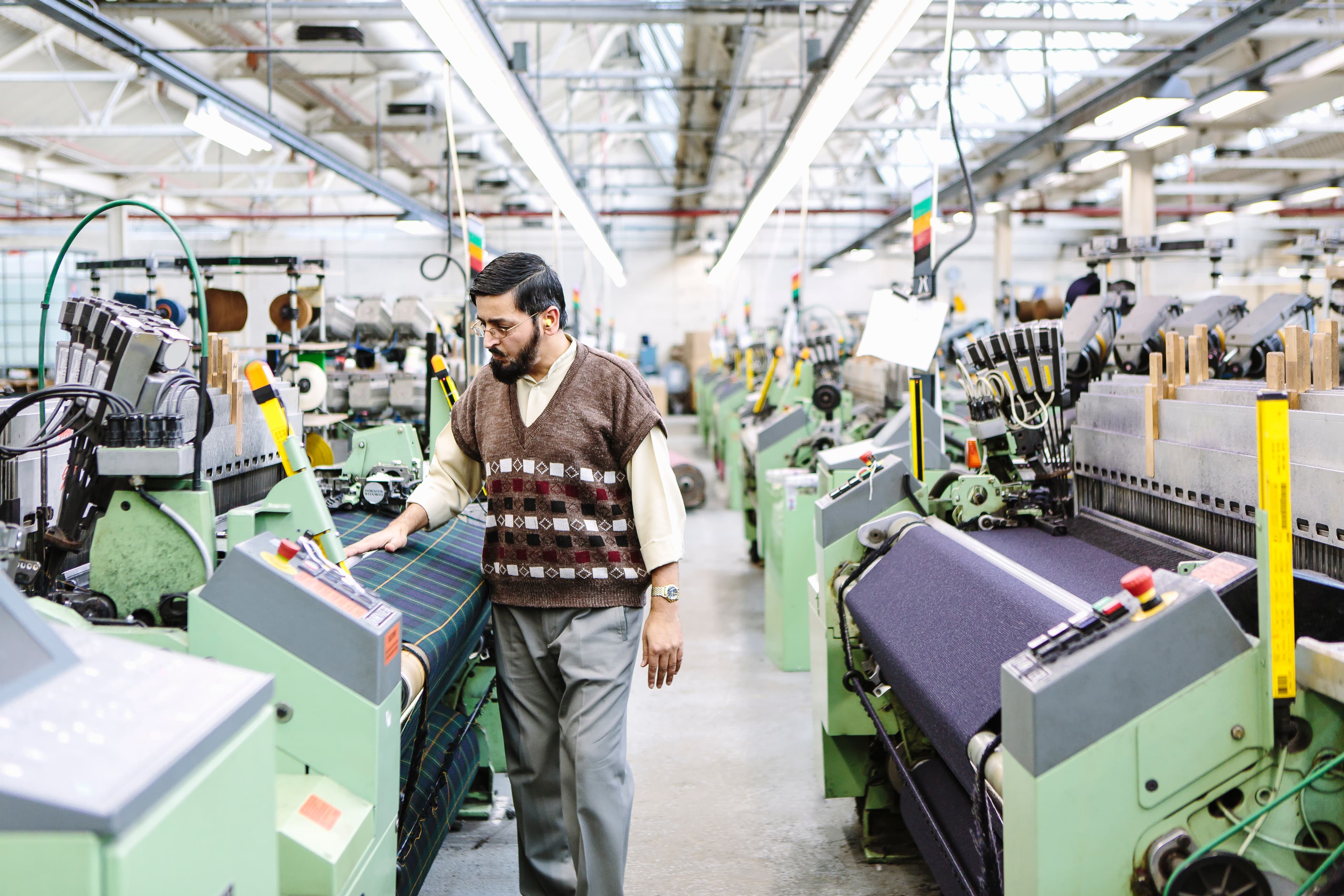
For decades, the textile industry has approached loom maintenance as a component-by-component exercise: replace the worn heald, swap the fatigued spring, adjust the stretched cord. Each replacement solves an immediate symptom — but the underlying system performance remains compromised. AAS Tech's Frame-to-Frame (F2F) philosophy represents a fundamental shift in how mills should think about loom performance.
The Limitation of Piecemeal Upgrades
A loom's harness system is precisely that — a system. The top frame, AHS, healds, springs, connectors, and bottom frame all interact dynamically at speeds exceeding 600 RPM. When one component is new and its neighbours are worn, the performance differential creates stress concentrations, vibration harmonics, and inconsistent shedding geometry that limit the benefit of the upgrade.
Field data from over 2,000 installations shows that replacing a single component typically yields only 30–40% of its theoretical performance benefit. The remaining 60–70% is lost to system mismatch with adjacent components.
System Architecture: Top Frame to Bottom Frame
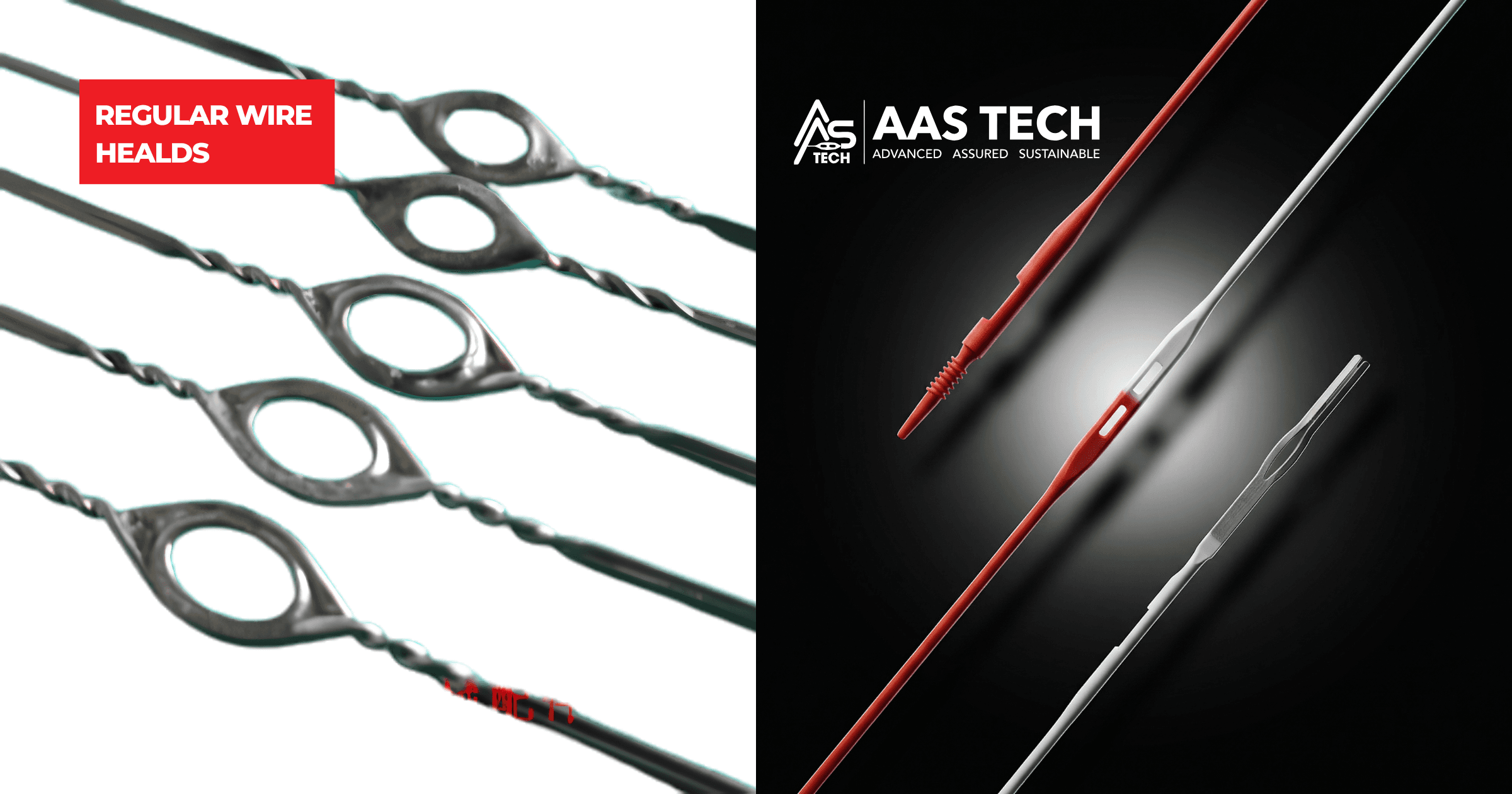
The Frame-to-Frame system replaces every component in the harness assembly simultaneously: Top Frame, AHS (Automatic Harness System), Spring Assembly Set, Healds (Wire or Flat), Adjustable Connectors, and Bottom Frame. Each component is engineered to work with every other component, with matched tolerances, complementary material properties, and synchronised wear profiles.
“When every component in the harness system is designed, manufactured, and calibrated as one integrated unit, the performance ceiling isn't just higher — it's fundamentally different.”
Performance Data: System vs. Component
- Single component upgrade: +7% to +12% RPM improvement
- Full F2F system deployment: +22% to +34% RPM improvement
- System-level downtime reduction: 40–55% (vs. 10–15% from single component)
- Fabric quality rejection rate reduction: 50–60% with F2F vs. 15–20% single component
The ROI case for F2F deployment is compelling not because each component costs more, but because the combined output gain dramatically outperforms the sum of individual component improvements. Mills deploying the full system consistently report ROI within 8–12 months.
For more information, contact info@aastech.co.
Related Articles
Stay Ahead of the Industry
Subscribe for engineering insights, performance strategies, and AAS Tech innovations delivered to your inbox.