
How Friction Leads to Yarn Damage and Piling
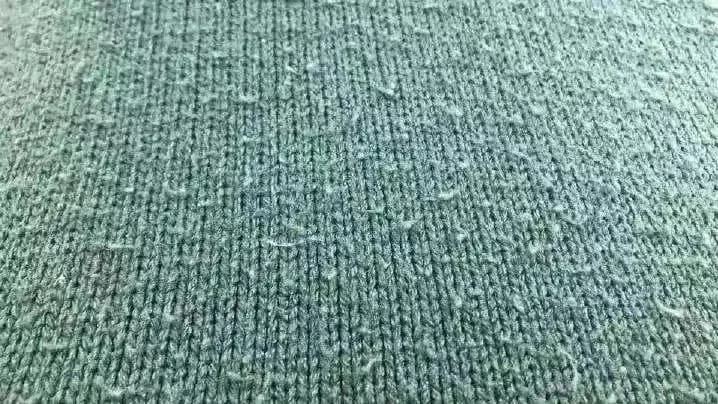
Yarn damage and piling are among the most costly quality defects in woven fabric production. Both are routinely attributed to yarn quality, humidity levels, or loom speed — but the most consistent root cause is one that sits inside the loom itself: friction at the heald eye. Understanding the mechanism by which heald friction generates these defects is the first step toward eliminating them.
From Friction to Fibre Damage
When yarn passes through a heald eye with a rough or poorly optimised contact surface, individual fibres in the yarn bundle are subjected to abrasive force. This force does not immediately sever fibres — it breaks the surface structure of each fibre at the contact point, creating micro-damage that accumulates with each subsequent cycle. Over time, the yarn loses tensile integrity at the heald contact zone, creating weak points distributed along its length at intervals corresponding to the heald pitch.
These weak points are the precursor to yarn breakage — but before breakage occurs, the surface-damaged fibres begin to separate from the yarn bundle and migrate to the surface. This is piling: the accumulation of free fibres on the fabric surface, reducing the fabric's visual clarity, increasing its susceptibility to abrasion in end-use, and signalling the progressive deterioration of yarn integrity in the weave.
Why Piling Is a Symptom, Not a Problem
Piling on the fabric surface is not the defect — it is evidence that the defect has already occurred inside the loom. By the time piling is detectable through visual inspection, the yarn has already sustained significant fibre-level damage at the heald contact zone. The visible accumulation of free fibres on the fabric surface represents only the portion of the damage that has migrated outward; the structural weakening of the yarn bundle is typically more extensive than the surface appearance suggests.
“Piling tells you that friction has already done its damage. The goal is to engineer the friction out before it starts — not to detect its effects after they have accumulated in your fabric.”
— AAS Tech Engineering Team
Heald Design as the Solution
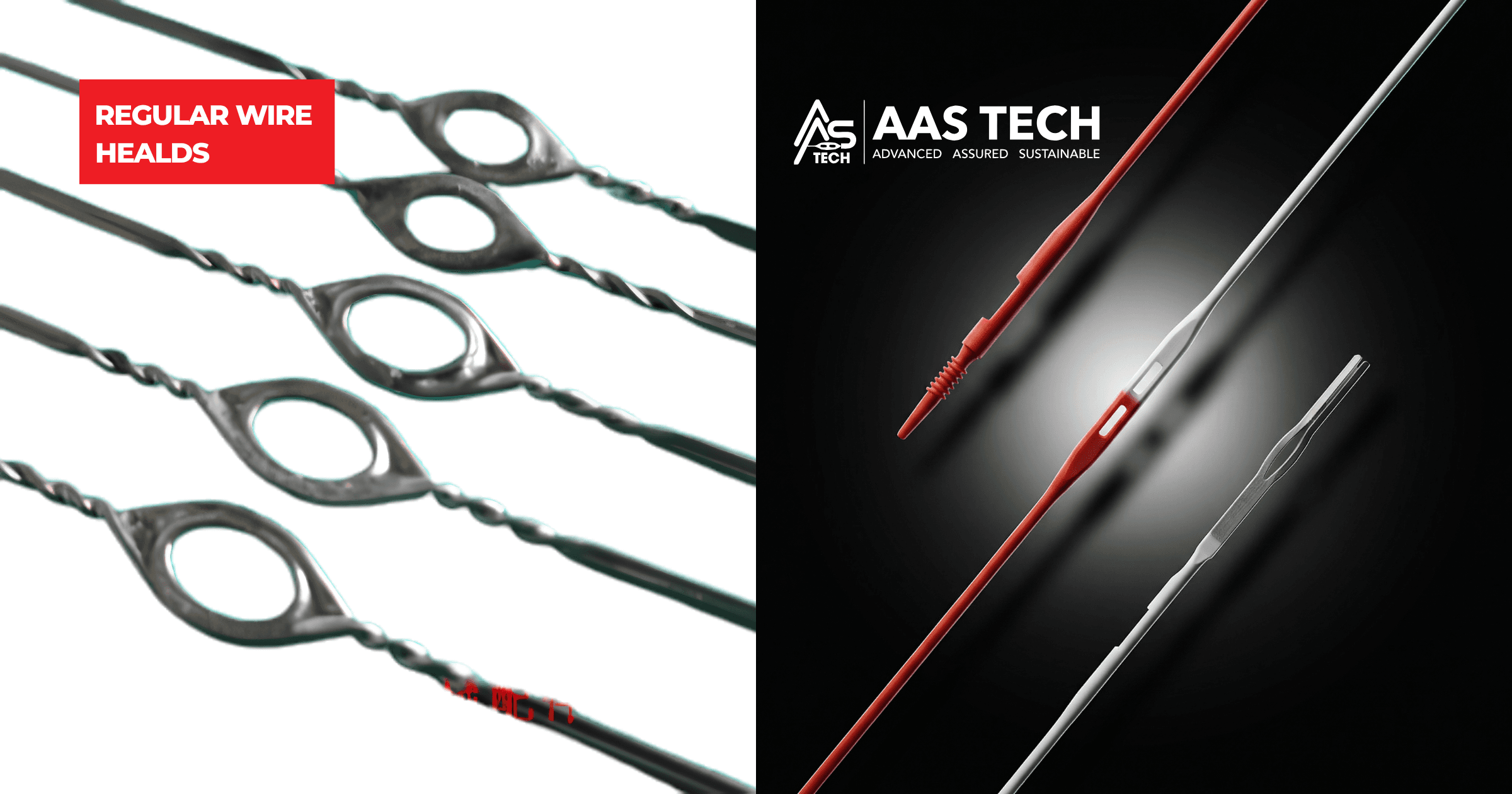
AAS Tech wire healds address both the abrasive and geometrical causes of friction-induced yarn damage. The heald eye inner surface is finished to a specific roughness specification that eliminates the micro-catch points responsible for fibre abrasion. The elliptical eye geometry distributes contact force across a wider arc, reducing peak contact stress per unit area. Together, these design features reduce the cumulative fibre damage per unit length of yarn to levels that measurably reduce piling rates and extend yarn breakage intervals.
For more information, contact info@aastech.co.
Related Articles

Stay Ahead of the Industry
Subscribe for engineering insights, performance strategies, and AAS Tech innovations delivered to your inbox.