
Cutting Waste at the Source: How Precision Components Reduce Material Loss in Weaving
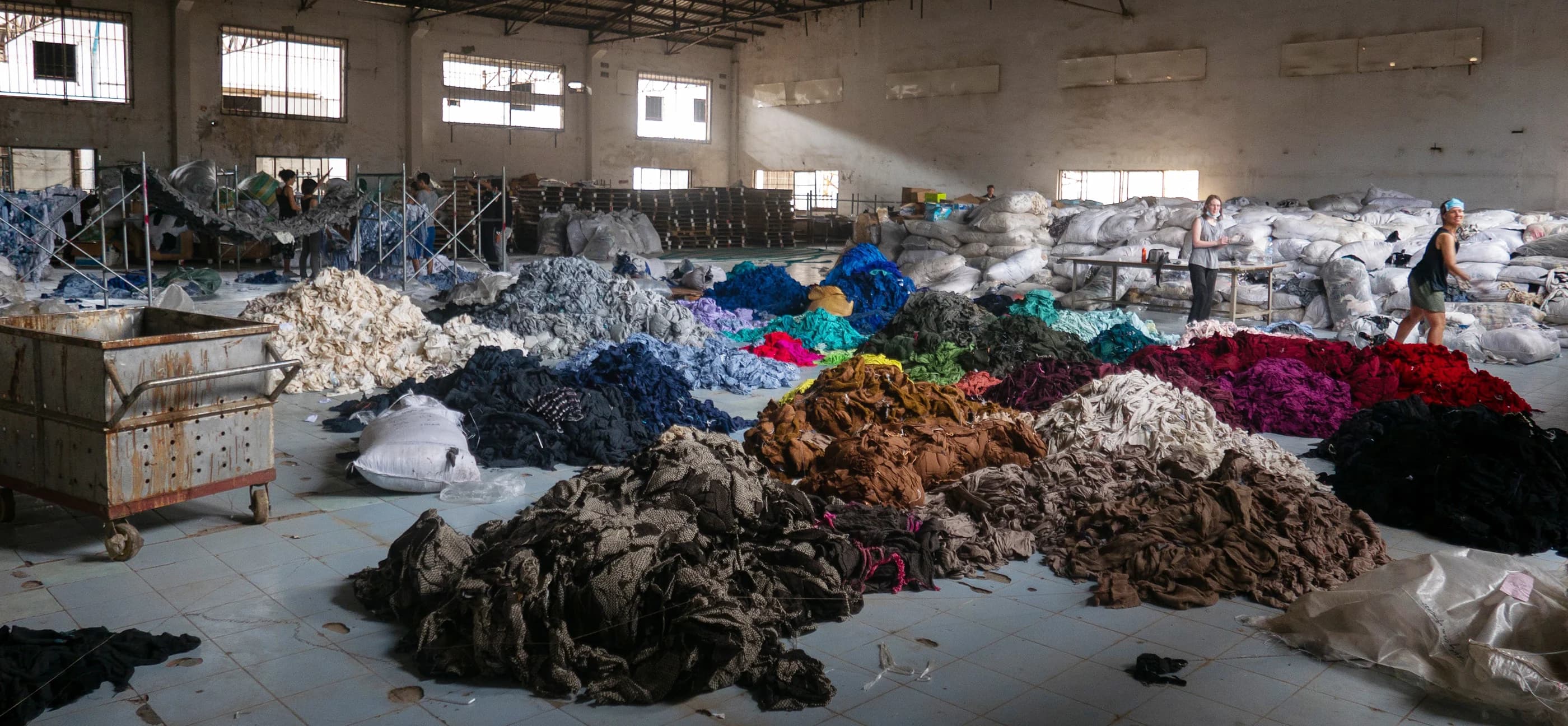
Every yarn break in a weaving operation generates waste. The damaged section is discarded, the surrounding fabric is inspected for defects, and the loom stops while the operator intervenes. Multiply that across a 400-loom floor running three shifts, and the cumulative material loss is not trivial — it represents a significant fraction of total yarn input, and a corresponding fraction of the energy, water, and labour already invested in producing it.
The Mechanical Root Causes of Waste
Traditional engineering practice in textile mills treats waste as an operational variable — something to be managed through operator training, quality inspection, and fabric regrading. What this approach misses is that the majority of weaving waste has identifiable mechanical causes: misaligned harness cords, worn heald eyes with micro-grooves that act as cutting edges, spring assemblies with degraded tension, and connector settings that introduce shedding geometry asymmetry.
These are engineering problems, and they have engineering solutions. Addressing them at the component level eliminates waste at the source rather than managing it after the fact.
Waste Categories and Their Component Causes
- Yarn breakage waste: caused by worn heald eye surfaces and misaligned cord paths creating abrasion and stress concentration
- Fabric defect waste: caused by inconsistent shedding geometry producing warp density variation and pick insertion errors
- Restart waste: caused by unplanned stops requiring loom stabilisation before fabric quality is restored
- Component replacement waste: caused by premature wear from system mismatch between adjacent components of different ages
The Precision Solution
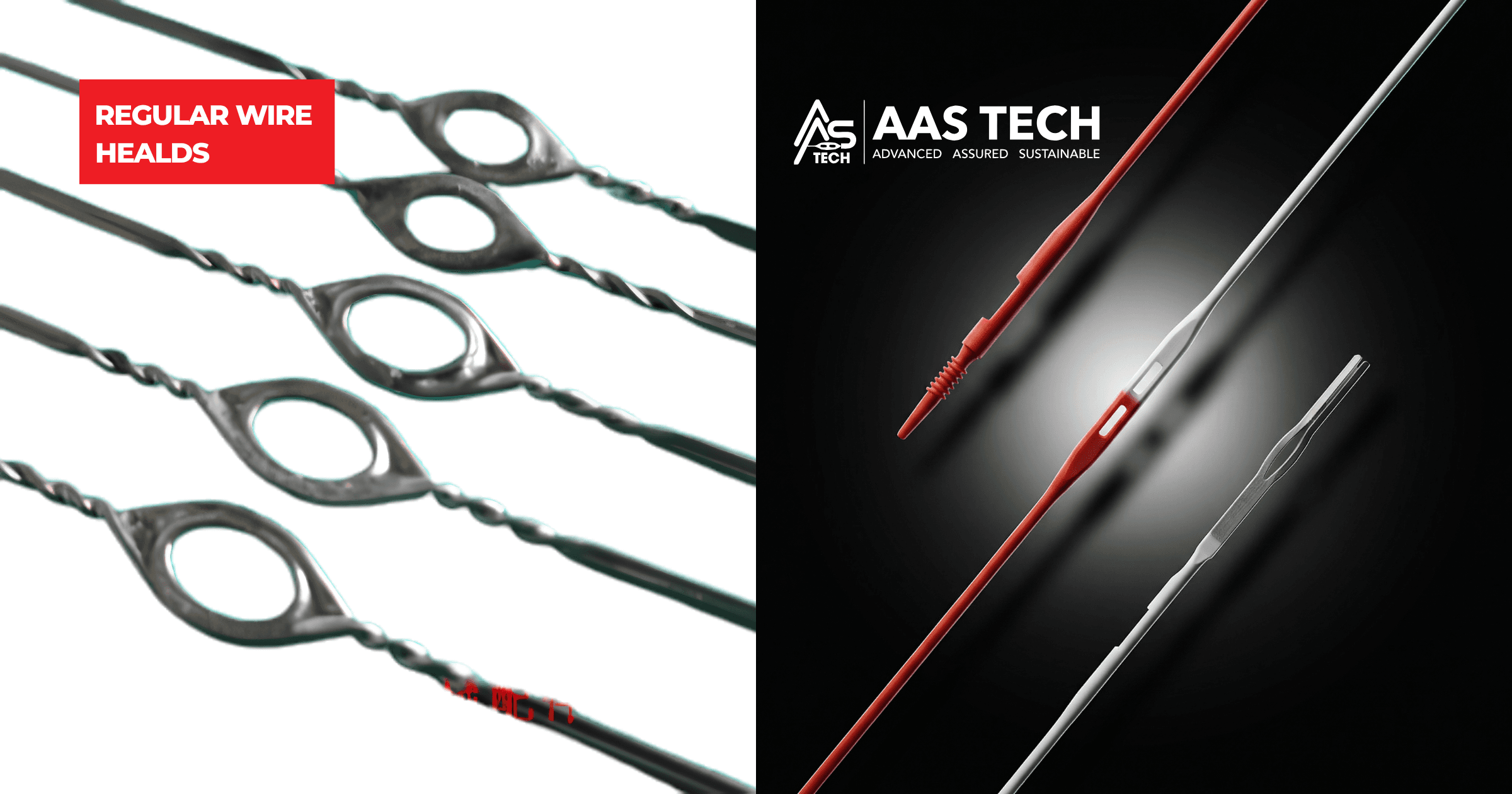
AAS Tech's Wire Healds maintain heald eye surface roughness below 0.2μm throughout their service life — the threshold above which micro-grooves begin contributing to yarn breakage. The Automatic Harness System eliminates cord misalignment as a variable entirely. The Frame-to-Frame system ensures that every component ages at a matched rate, preventing the system mismatch that accelerates wear and waste in partially upgraded installations.
“Resource depletion in weaving is not a purchasing problem — it is a precision problem. The mill that wastes the least yarn per metre woven is the one with the most precisely engineered harness system.”
— AAS Tech Engineering Team
Measured Waste Reduction Outcomes
- 25–40% reduction in yarn breakage translates directly to 25–40% less yarn waste from breakage-related defects
- 50–60% reduction in fabric quality rejections eliminates the full upstream material and energy cost of defective production
- 40–55% reduction in unplanned downtime cuts restart waste and associated energy consumption
- Extended component service life reduces the raw material and logistics footprint of replacement part manufacturing
Waste reduction at this scale does not require new process technologies or capital investment in new machinery. It requires precision at the component level — and the discipline to manage the harness system as the integrated engineering unit it actually is.
For more information, contact info@aastech.co.
Related Articles

Stay Ahead of the Industry
Subscribe for engineering insights, performance strategies, and AAS Tech innovations delivered to your inbox.