
AHS vs. Traditional Harness Systems: A Performance Comparison
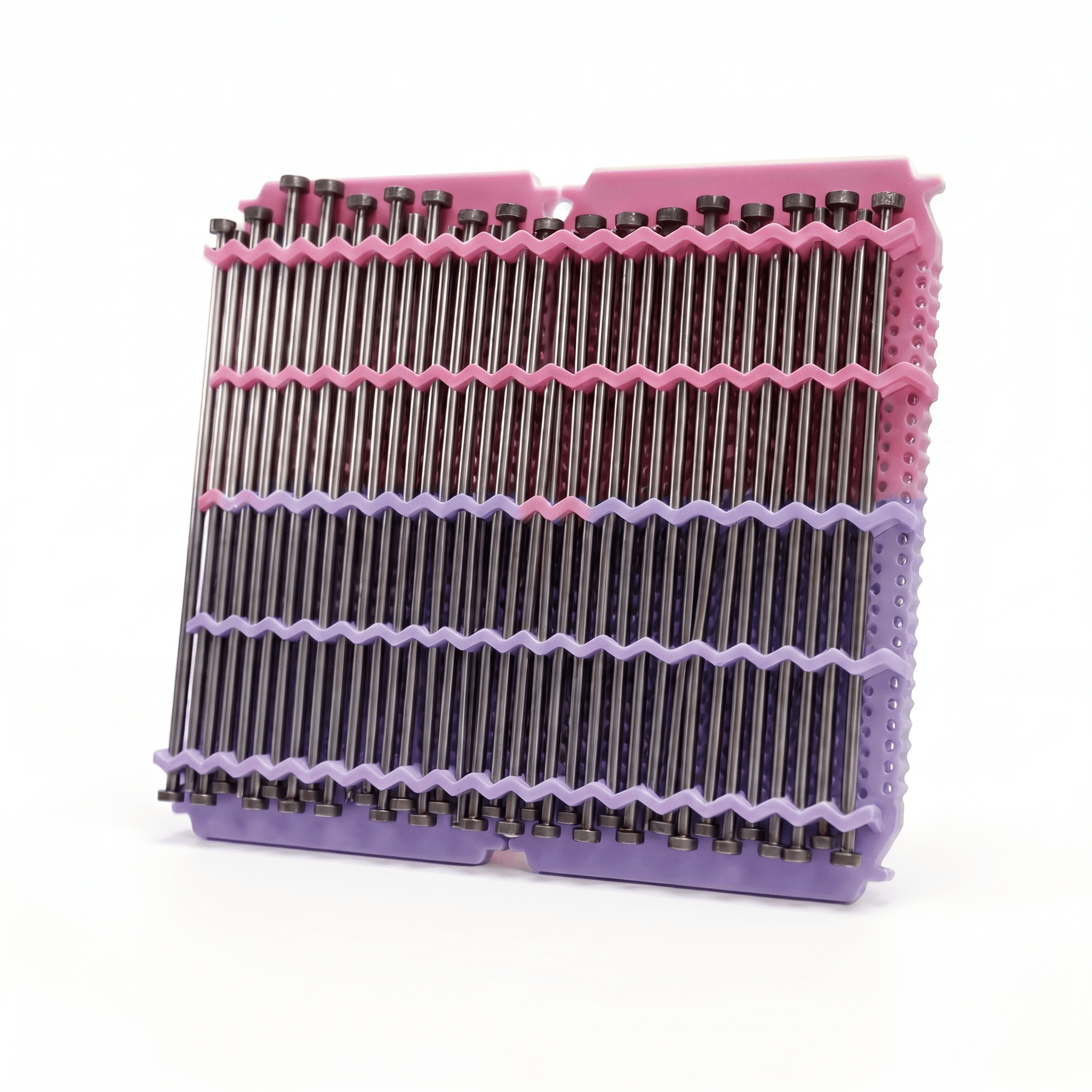
When evaluating harness system options, mill operators need data, not marketing claims. This article presents head-to-head performance comparison data from controlled trials conducted across multiple mill environments, loom types, and fabric specifications.
Test Methodology
Each comparison was conducted on identical looms within the same facility, running the same fabric specification with the same yarn. The only variable was the harness system: standard manual setup versus AAS Tech AHS. Data was collected over 30-day periods to account for day-to-day variability in environmental conditions and operator performance.
Key Findings
- Average RPM improvement with AHS: +15% across all test sites
- Setup time reduction: 65% faster loom changes with AHS vs. manual positioning
- Yarn breakage reduction: 30% fewer breaks per shift with AHS
- Fabric quality consistency: 45% reduction in quality variation between shifts
- Operator skill dependency: AHS eliminates performance variation between experienced and new operators
The most significant finding was not any single metric improvement, but the consistency of results across different operators. Traditional harness systems show significant performance variation depending on the skill and experience of the operator performing the setup. AHS delivers the same precision regardless of who performs the loom change — a critical advantage in an industry facing chronic skilled labour shortages.
For more information, contact info@aastech.co.
Related Articles


Stay Ahead of the Industry
Subscribe for engineering insights, performance strategies, and AAS Tech innovations delivered to your inbox.