
Spring Tension Optimization: The Hidden Performance Variable
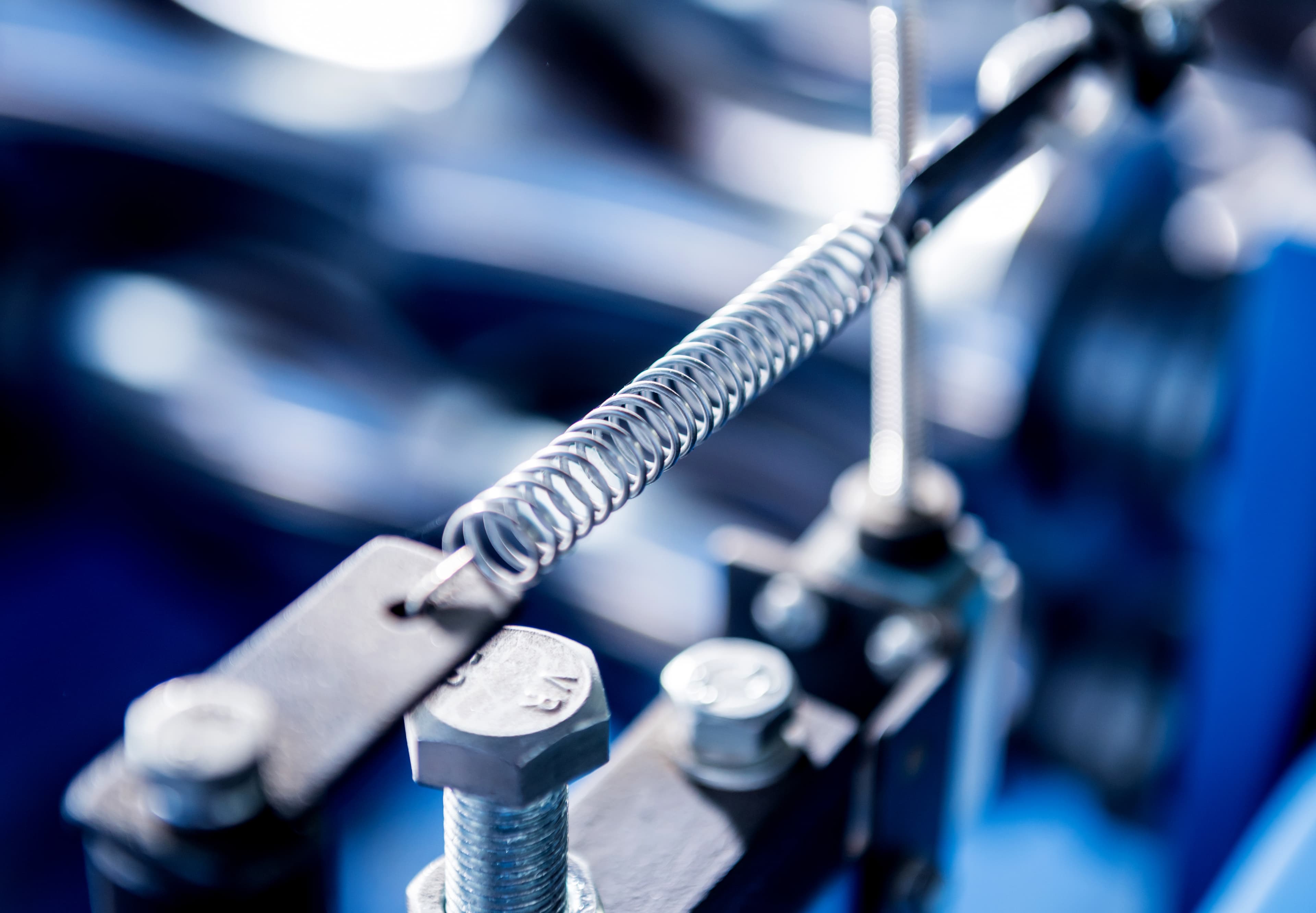
Spring tension is arguably the most overlooked variable in loom performance optimisation. While RPM, picks per minute, and yarn breakage rates receive constant attention, the spring assembly that controls return motion consistency is rarely monitored or optimised between major maintenance windows.
The Role of Springs in Shedding Performance
In any harness system, the spring assembly is responsible for returning healds to their neutral position between shedding cycles. When spring tension is optimal, healds return quickly, consistently, and with minimal oscillation. When tension degrades — through fatigue, temperature cycling, or material creep — the return motion becomes sluggish and inconsistent, forcing the loom to reduce RPM to maintain fabric quality.
Optimisation Techniques
- Regular tension measurement using calibrated gauges (recommended: every 500 hours of operation)
- Replacement of springs showing >5% deviation from specification tension
- Matching spring tension across all harness frames to within ±2% for consistent shedding
- Using AAS Tech precision springs with controlled fatigue characteristics for predictable performance over the full service life
Mills implementing systematic spring tension management as part of the AAS Tech Frame-to-Frame approach consistently report 3–5% additional RPM improvement beyond the gains from component replacement alone. In a high-volume operation, this seemingly small percentage translates into significant additional output.
For more information, contact info@aastech.co.
Related Articles

Stay Ahead of the Industry
Subscribe for engineering insights, performance strategies, and AAS Tech innovations delivered to your inbox.